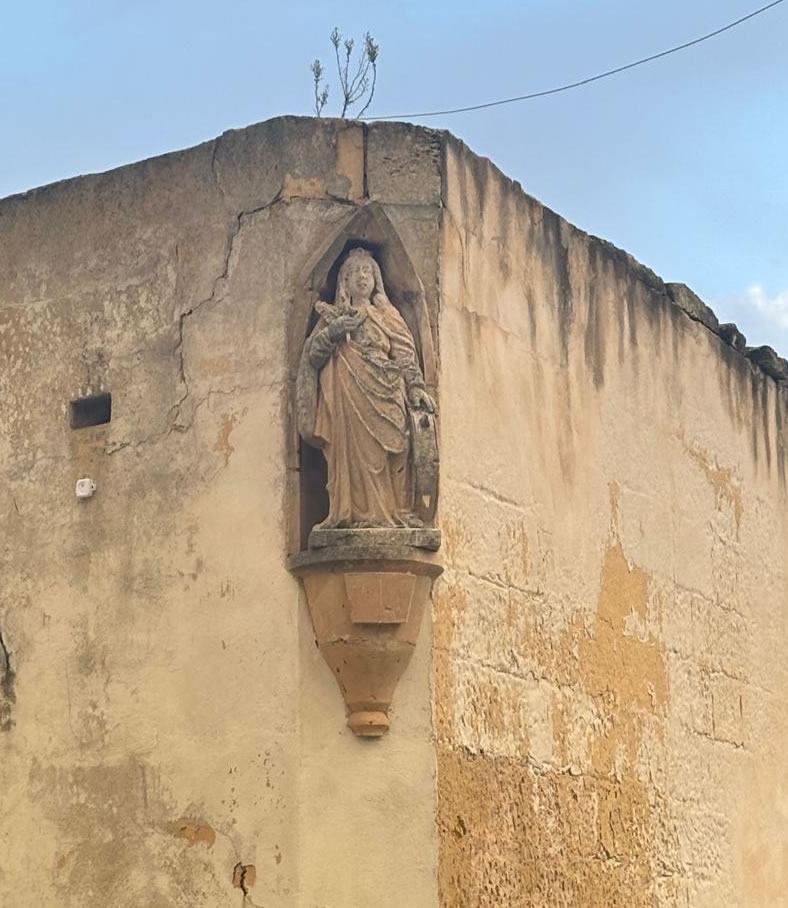
Here’s a summary of the construction and history of Tal-Qrendi Windmill in Mqabba, Malta:
📍 Location
35.839078, 14.462340Tal-Qrendi windmill (the small tower mill in the sqaq off Triq l-Imqabba, on the south side of Mqabba / bordering Qrendi) — its history, construction (what the original mill would have looked like), working life and present condition.
At a glance — the essentials
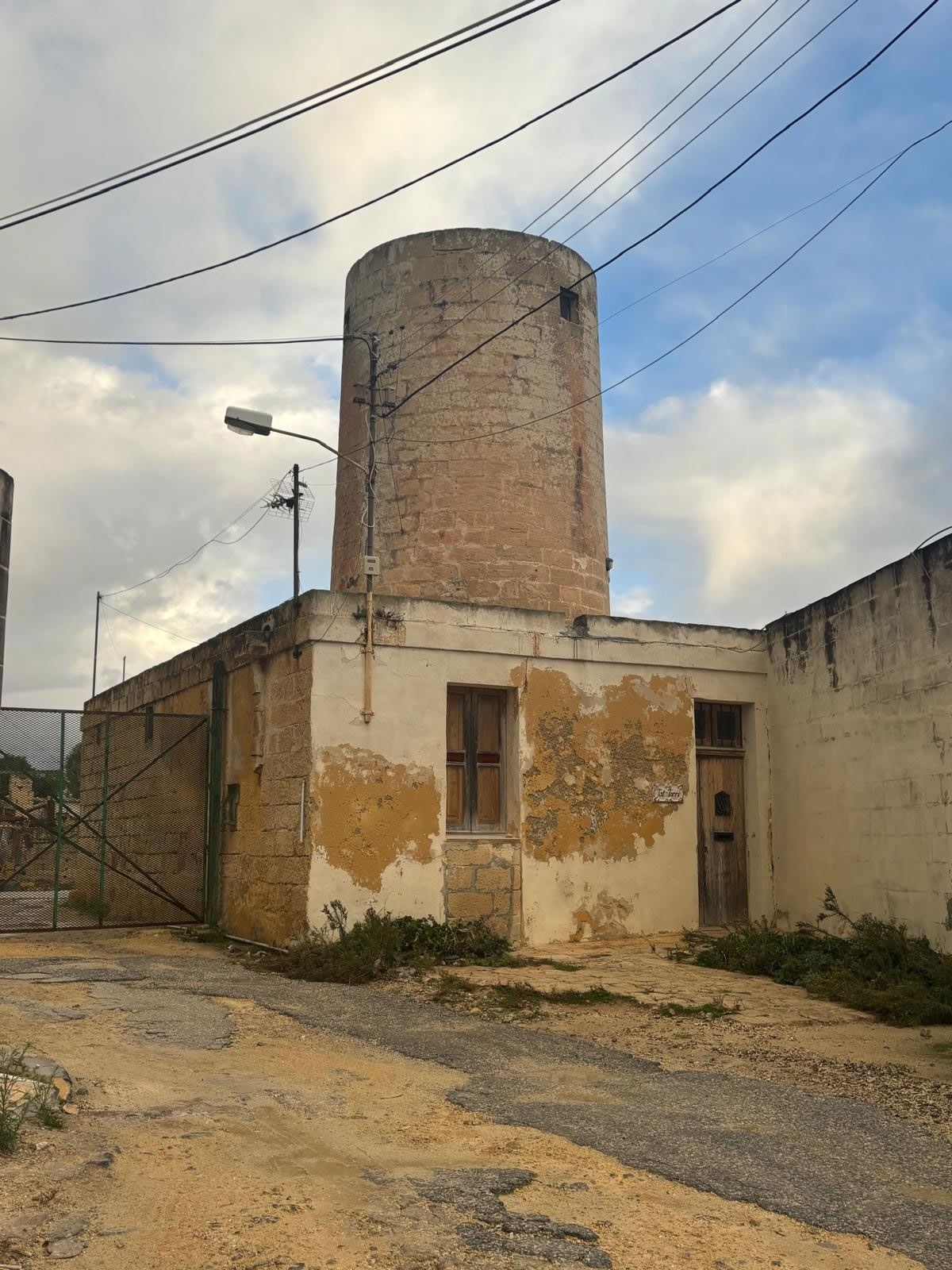
Name / location: Tal-Qrendi Windmill — Sqaq f1, Triq l-Imqabba, south side of Mqabba*(sometimes listed under Mqabba / Qrendi).
Approximate build date: c. 1695 (late-17th century — a Cottoner-era tower windmill).
Type: traditional Maltese tower windmill (stone cylindrical tower on a low rectangular base, originally with a wooden rotating cap and timber sails).
Survival / condition: recorded as extant (surviving fabric) in good external condition / standing (listed in modern windmill inventories and tourist guides).
Historical background — who built it and why
Context: During the late 17th century the Cottoner and Manoel foundations (and private patrons) commissioned a number of small tower mills across rural Malta to serve local villages. Requests from local tenants in the 1680s–1690s prompted construction of village mills to grind cereal for local use — Tal-Qrendi fits this Cottoner-era wave. (Nearby village windmills in Qrendi / Mqabba share the same origins.)
Local role: Tal-Qrendi would originally have served the agricultural hinterland around Mqabba and Qrendi — smallholders brought grain to be milled into flour for local consumption and market. These village mills were practical community infrastructure rather than prestige monuments.
Construction — form, materials and machinery
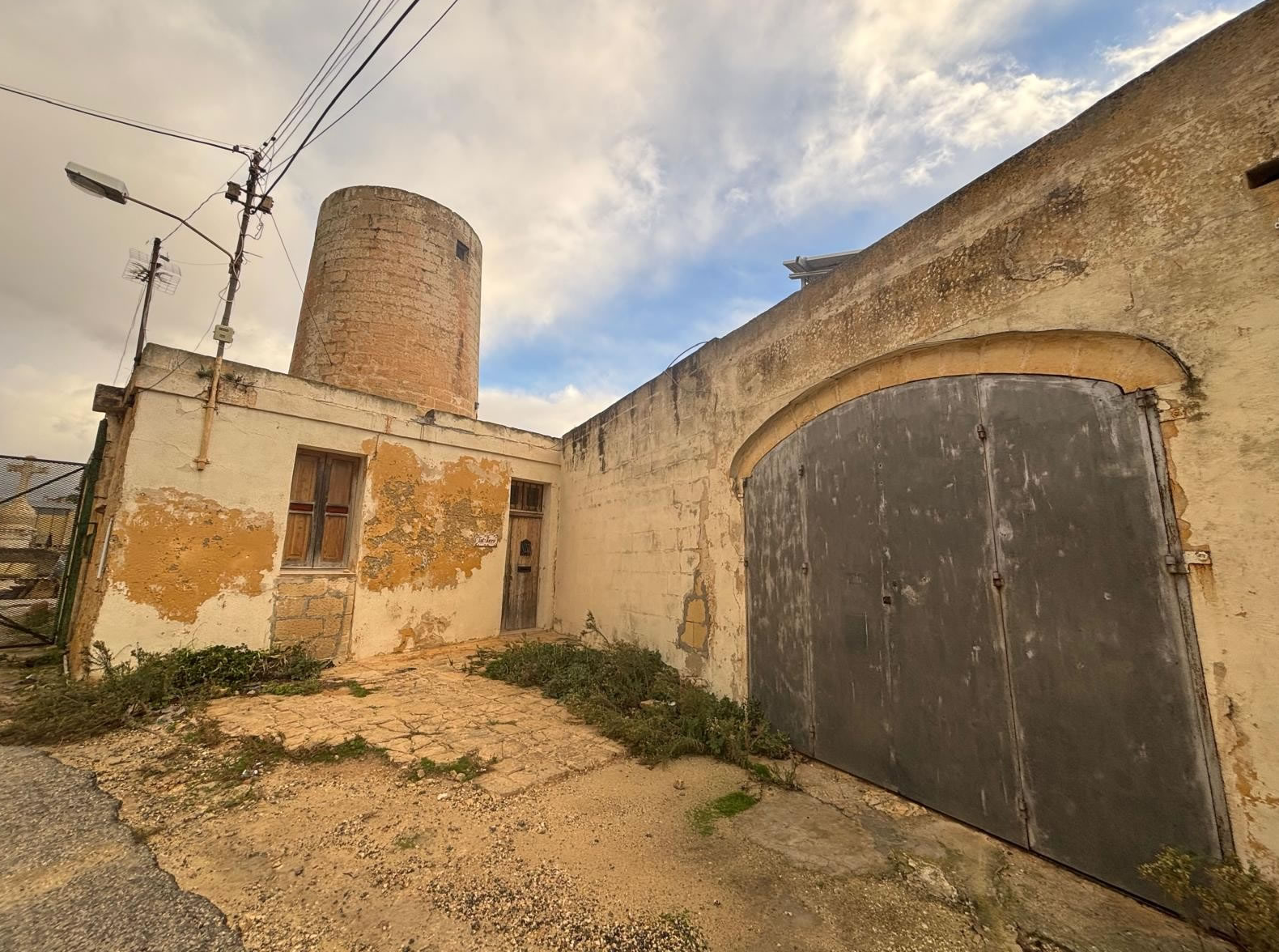
Because Tal-Qrendi is a standard late-17th-century Maltese **tower mill**, we can describe its original construction with a high degree of confidence (and where possible I note which elements are specifically recorded for this example).External form & materials
Cylindrical limestone tower rising from a rectangular single-storey base (the base typically contained storage/stables/working rooms). The tower walls were built of local globigerina limestone with lime mortar and were made deliberately thick to resist wind loads and to support the rotating cap and machinery above.
Cap & sails
The mill originally had a wooden rotating cap (a simple cone or box cap set on rollers or a curb) carrying a horizontal windshaft. Attached to the shaft were typically 4–8 timber-framed sails/vanes (canvas or slatted) which the miller could reef/adjust. The cap was turned into the wind either by hand (tailpole) or by a simple winding gear. This is the standard configuration for Maltese tower mills of the period.
Internal machinery
Inside would have been at least one pair of millstones (runner + bedstone), a vertical spindle driven from the windshaft via wooden gearing (cog wheels, stone spindle), timber intermediate floors, hoppers and sack-handling spaces. The machinery was largely timber with some iron fittings. No published record indicates surviving working machinery for Tal-Qrendi — most conversions removed internal mill gear.
Siting & orientation
Sited to exploit the prevailing winds on the village’s exposed edge (Triq l-Imqabba) and sited so the miller could read neighbouring mills and local wind conditions — a typical local pattern.
Operational life & later changes
Working life: like most Maltese tower mills, Tal-Qrendi was used through the 18th and 19th centuries. Many such mills continued operating into the 19th century and only ceased regular commercial milling around the late-19th / early-20th century as steam-powered industrial mills took over. While exact cessation date for Tal-Qrendi is not universally reported, the general pattern for nearby mills places last commercial use in the 19th century.
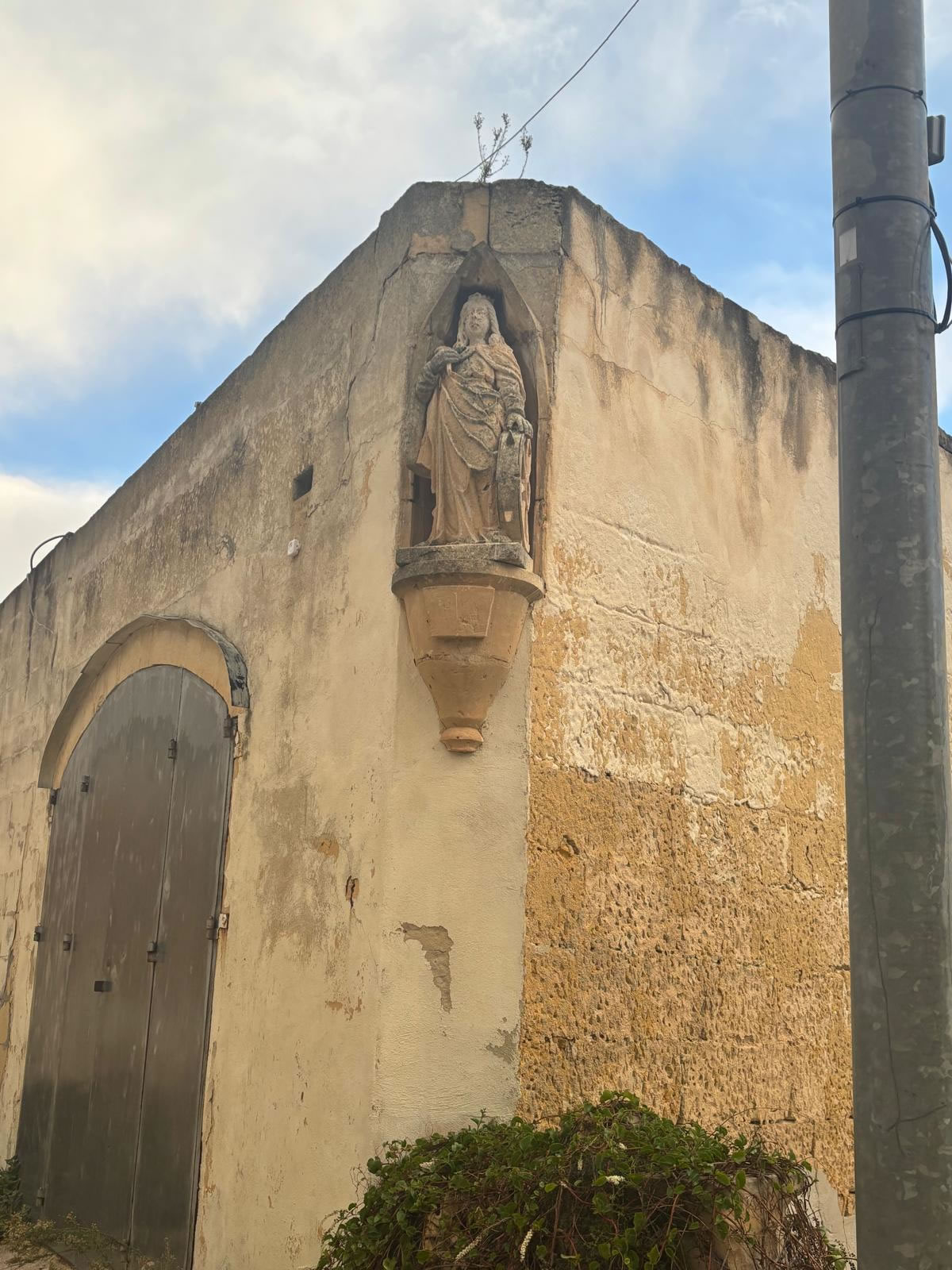
Alterations: typical post-operational alterations for mills in the region include removal of sails and cap, lowering of the tower top in some cases, and conversion of the base/tower to domestic or agricultural use. Tal-Qrendi is recorded as surviving (external fabric) and is shown on modern inventories as present on the southside of town. Public listings do not report it as a working mill today.
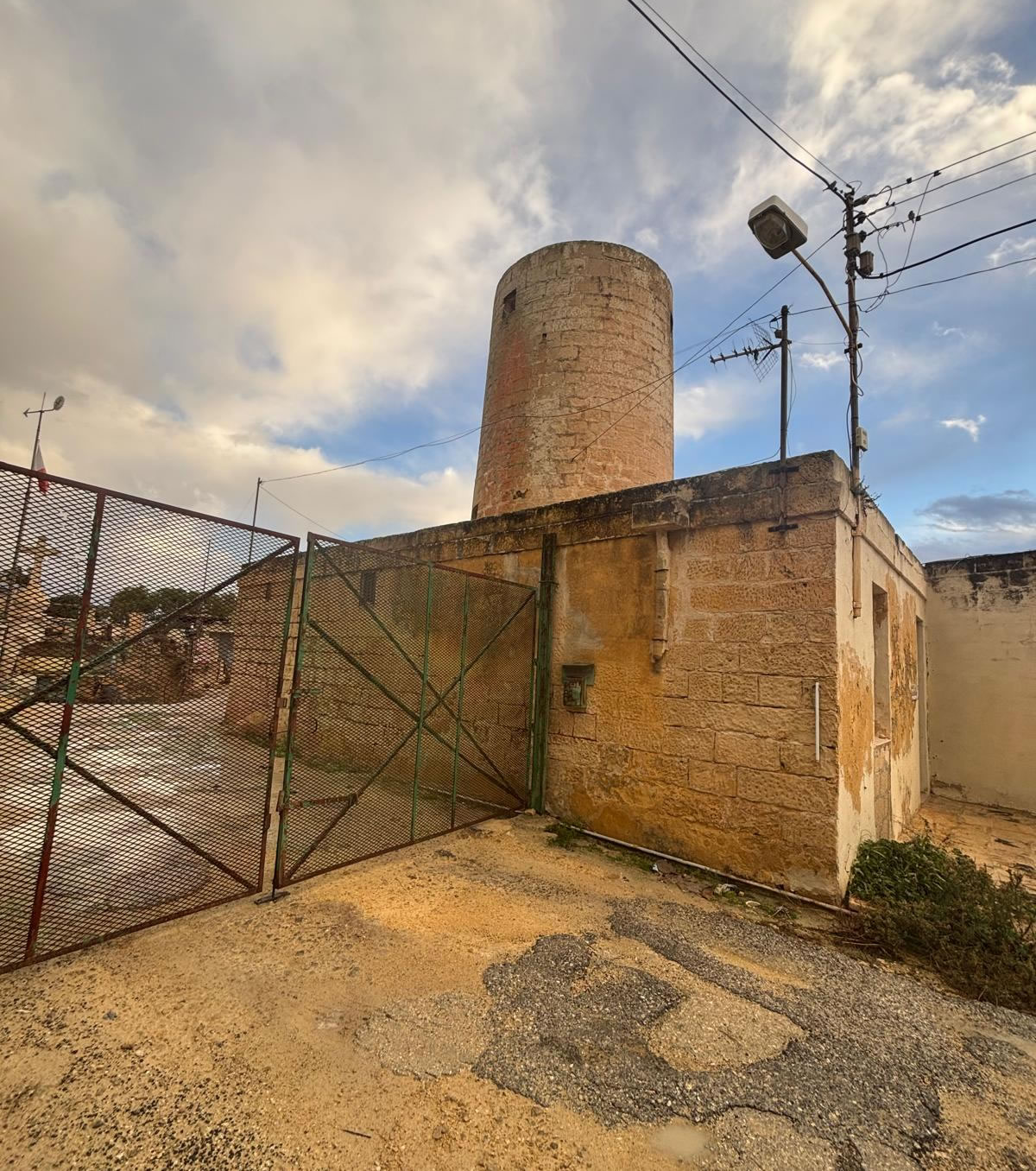
Present condition & heritage status
Survival: Tal-Qrendi appears in contemporary windmill inventories (Windmills of Malta database, tourist guides) and local walking guides as the Tal-Qrendi windmill (c.1695) at the Triq l-Imqabba / Mqabba–Qrendi border — the entry records its location and date and shows it as extant. Modern visitor guides to the Qrendi/Mqabba trails point it out as a local heritage feature.
Access / use: it is privately owned/part of the rural landscape; there’s no record in the public inventories of it being an operating historic mill or open museum — it is listed primarily as an historic structure on local inventories and walking/heritage guides. If you need confirmation of current ownership or scheduling status I can query Arkivji / the Planning Authority records.