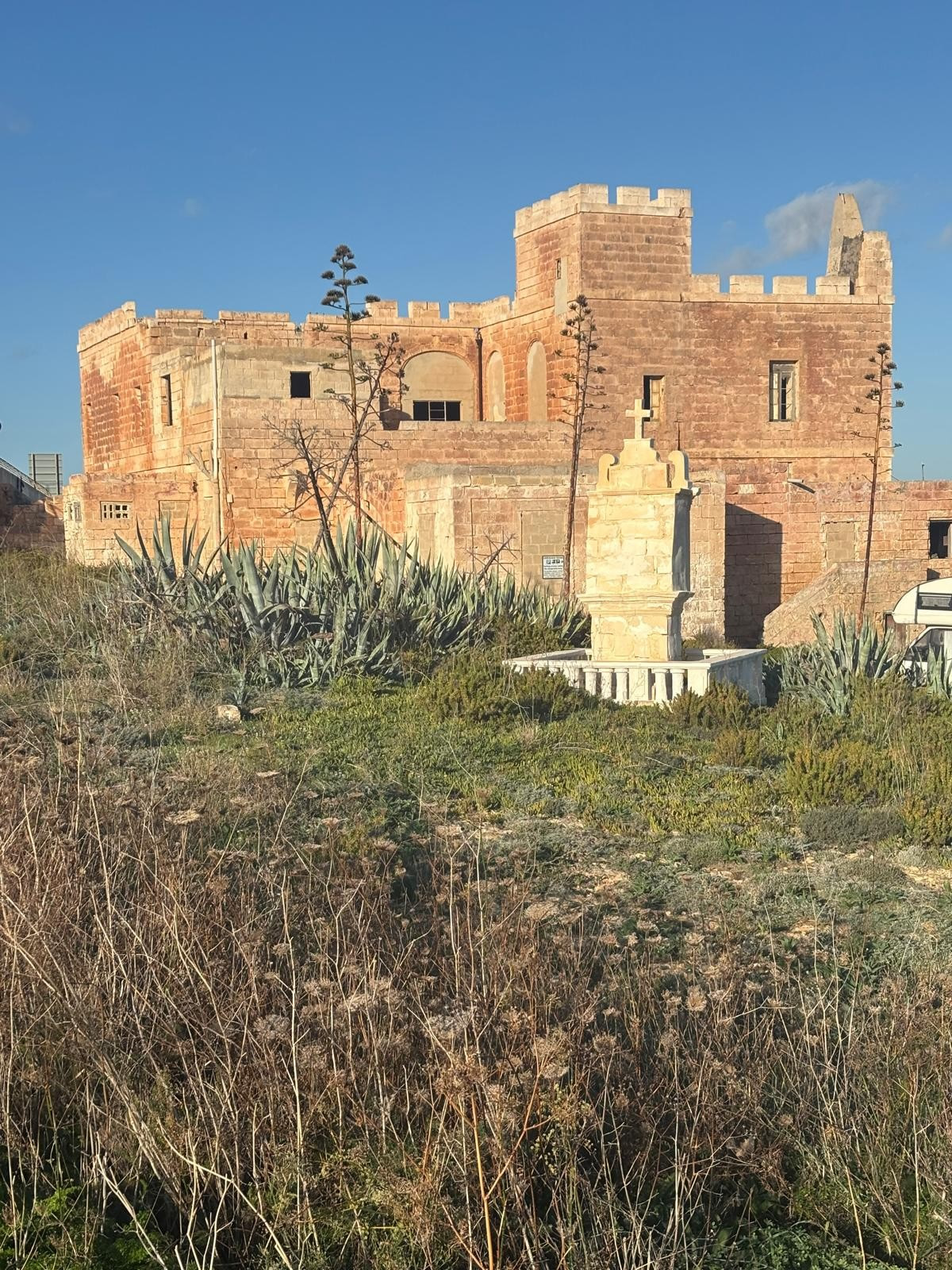
⚔️ The Wied Musa Battery in Mellieħa
📍 Location
Situated in Mellieħa. Google Map Link
The coordinates of Wied Musa Battery are: 35.986746, 14.342411
History — including construction, modifications, and use over time — of Wied Musa Battery in Triq il-Marfa, Mellieħa, Malta.
🏗️ Origins & Construction
Wied Musa Battery was built between 1714 and 1716 by the Order of Saint John.
Its construction cost was 938 scudi, of which about one-third was donated by a “Commander Mongontier.”
The battery formed part of the first major programme of coastal fortifications aimed at defending the Maltese Islands.
🔹 Original Design
The original layout included:
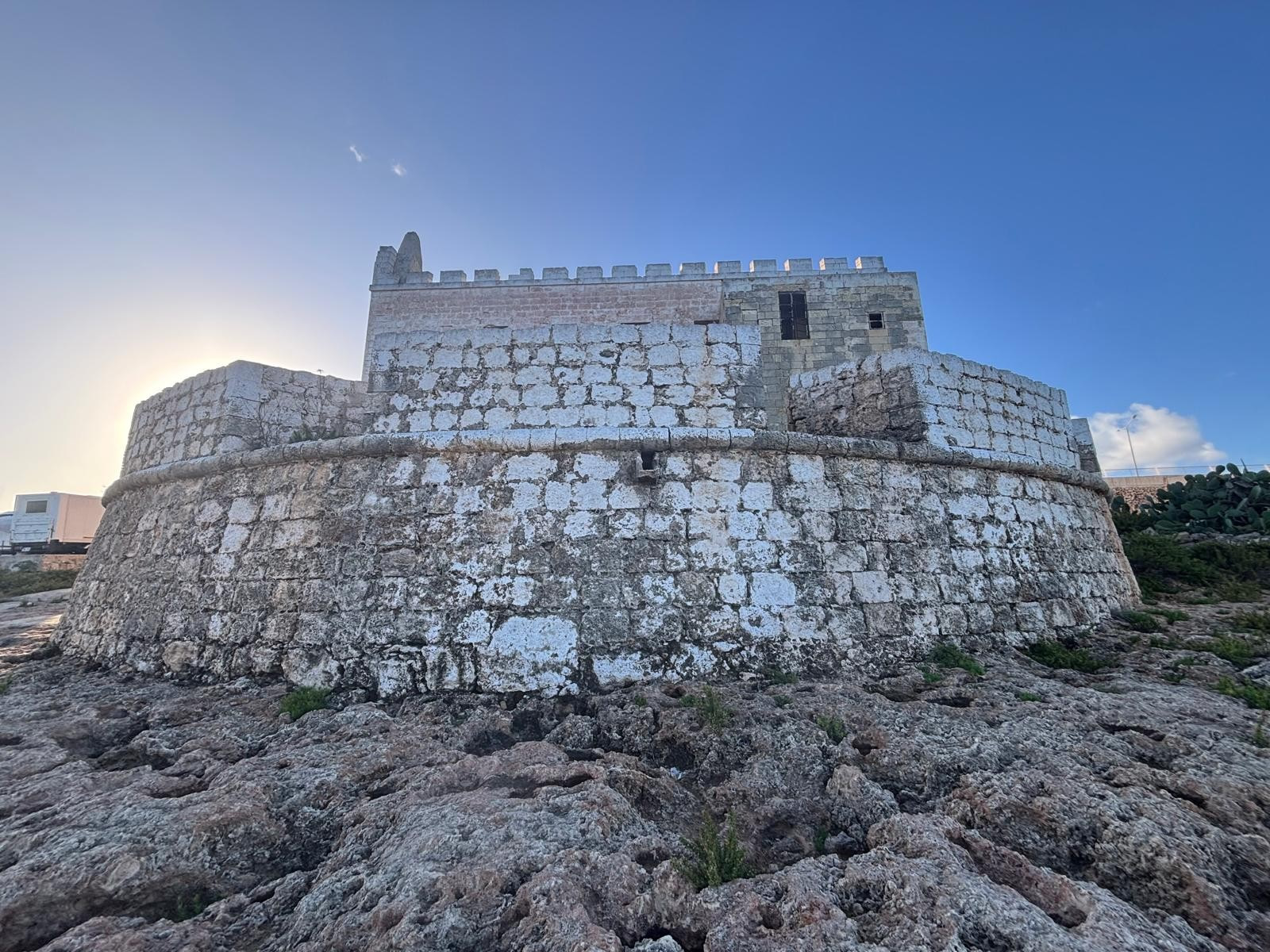
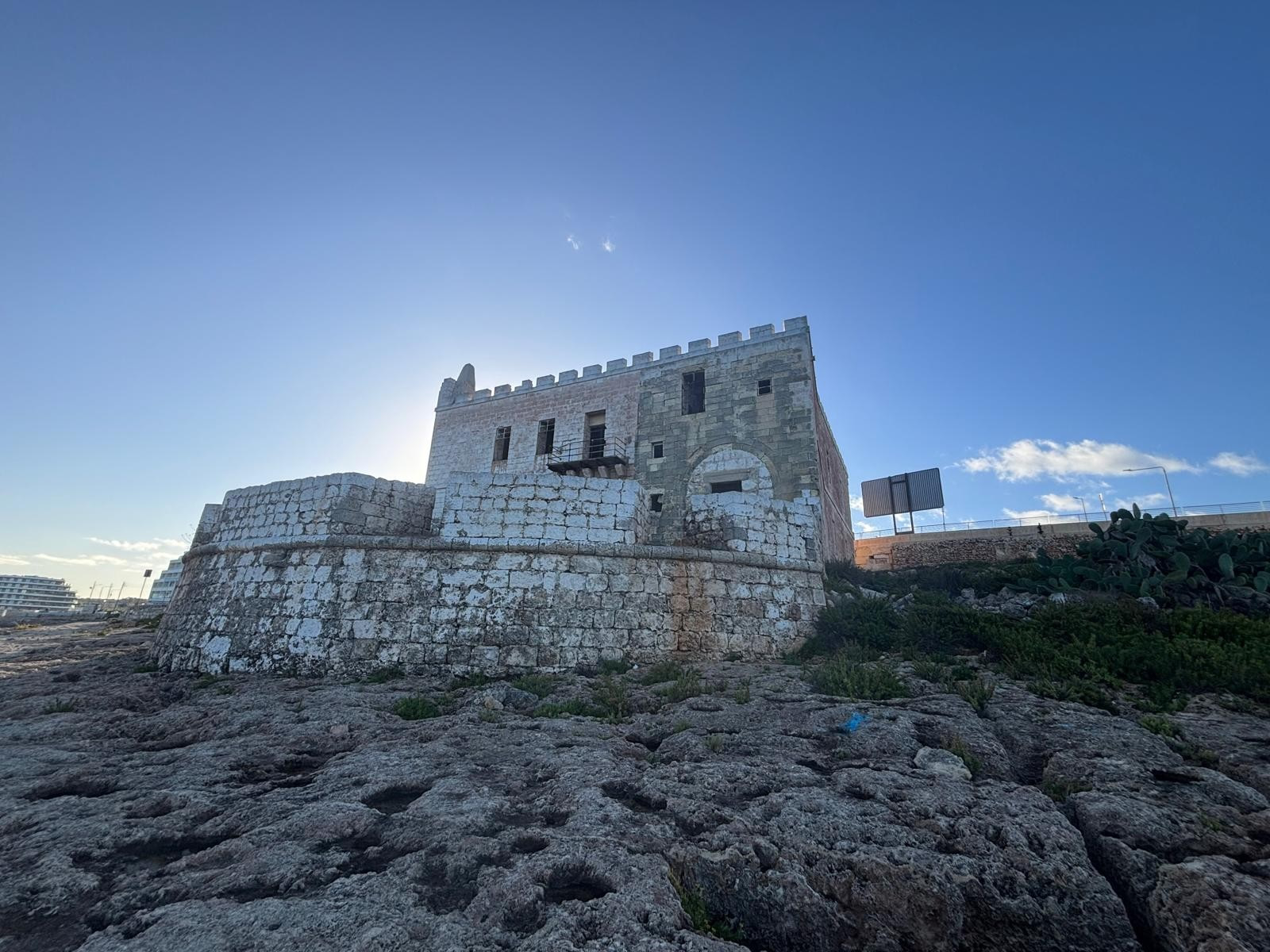
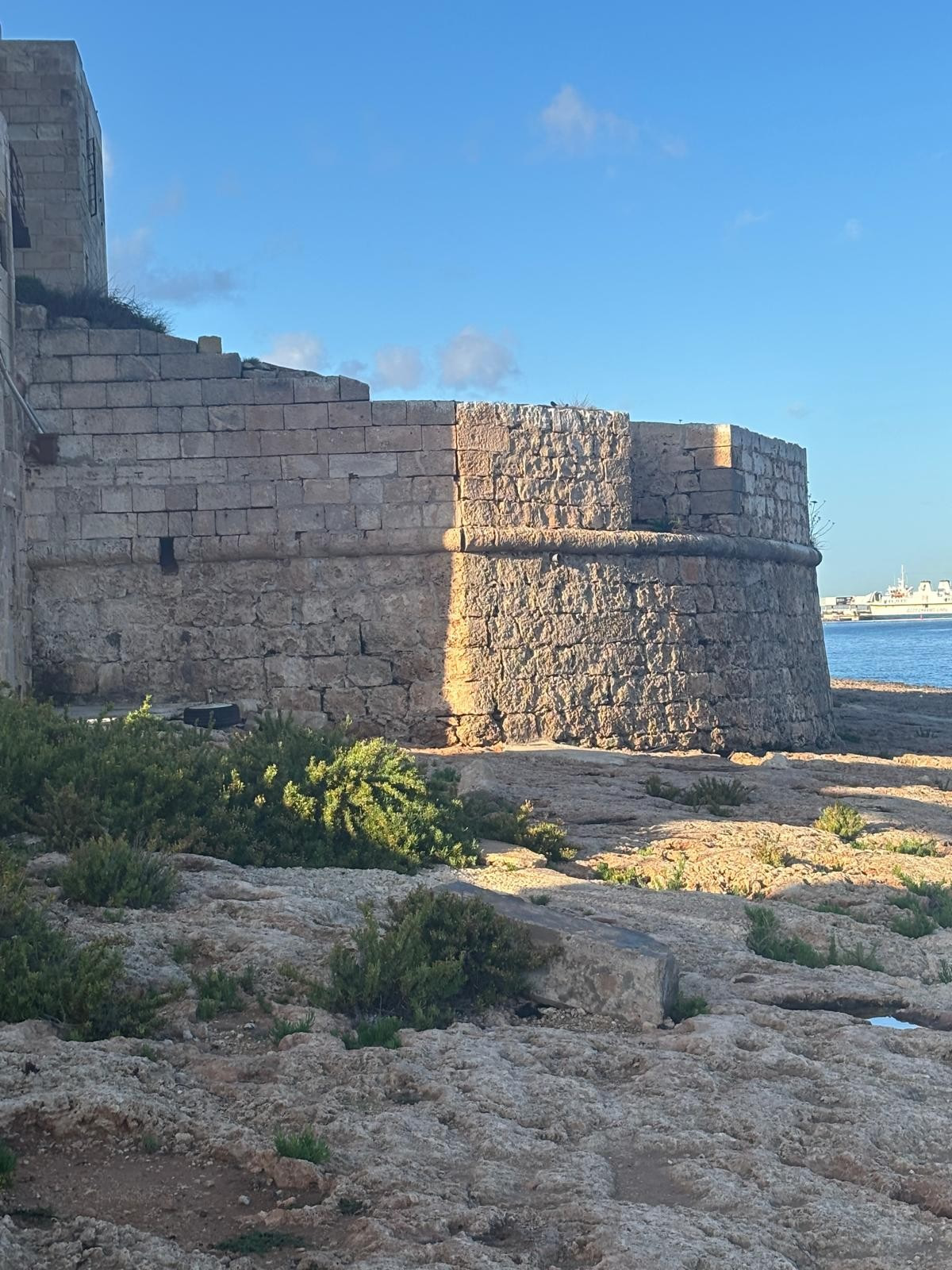
A semi-circular gun platform facing the sea, with a parapet featuring four embrasures for cannons.
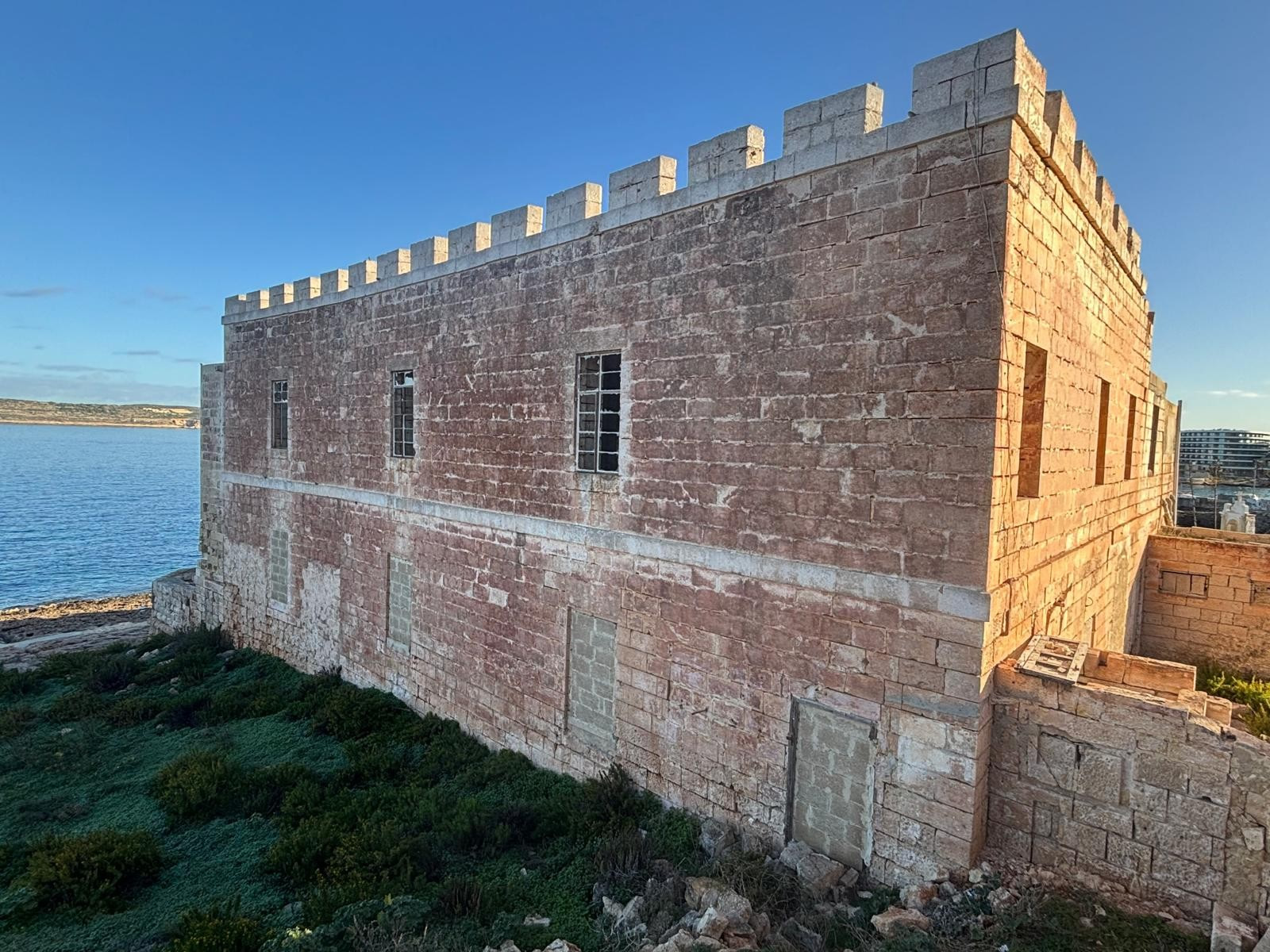
A rectangular blockhouse at the rear, closing the gorge (landward side), used for storage and (presumably) as quarters.
A redan (a V-shaped projection) behind the blockhouse, designed to provide landward defence against attack from the rear.
A surrounding ditch to further protect the landward side.
In 1785, the battery’s recorded armament included four 8-pounder guns. Ammunition was stored in the nearby Saint Agatha's Tower.
By 1769, a war-report indicated that while the battery still had its four cannons, it had become “disarmed” — by then its artillery may have been removed or relocated.
⚙️ Role & Strategic Importance
Wied Musa Battery — together with nearby fortifications — guarded the northern coast of Malta, particularly the area around Marfa and Mellieħa.
It also helped control maritime traffic and defend the island against enemy ships. In particular, Wied Musa coordinated with Saint Mary's Battery on the island of Comino to secure the South Comino Channel.
Its elevated semi-circular platform allowed a broad firing arc over the sea, ideal for intercepting enemy vessels attempting to approach from the west or north-west.
🕰️ Later History: Transformation & Use
Over time — as the strategic needs evolved and threats decreased — Wied Musa Battery was repurposed:
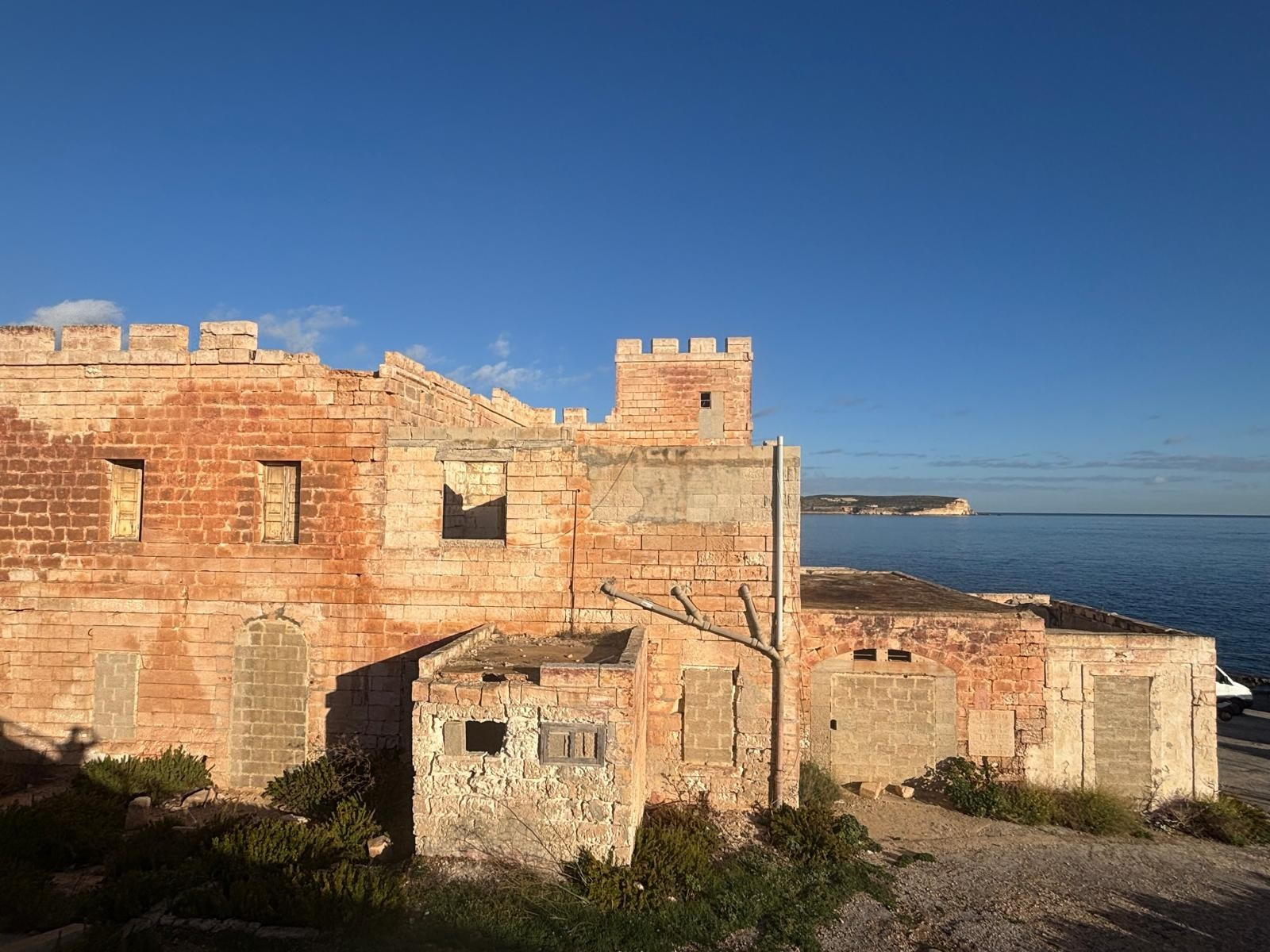
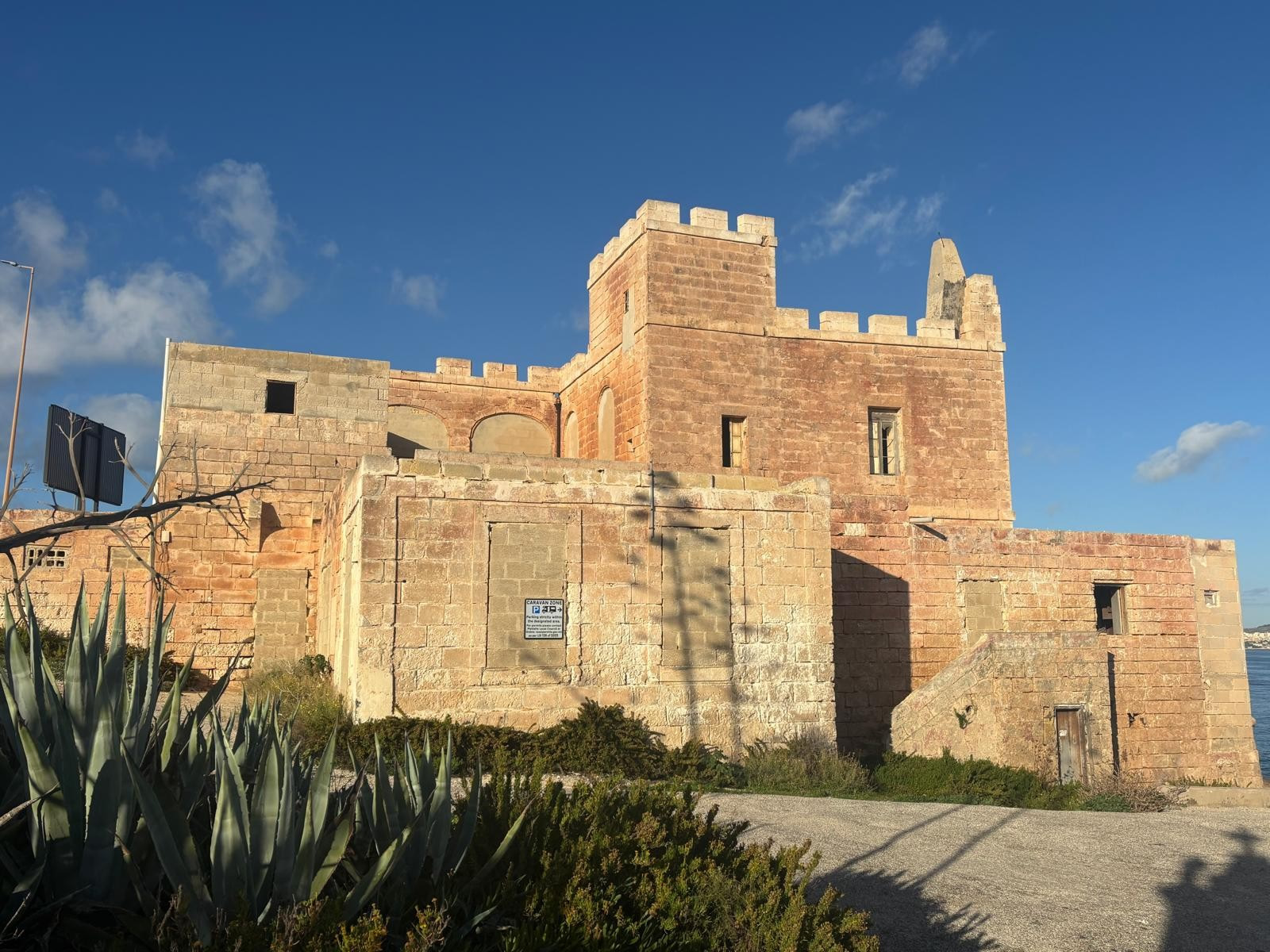
In the 19th century, the battery was converted into the Marfa Palace Hotel, locally known as “Palazz l-Aħmar” (the Red Palace). The original blockhouse was incorporated into the hotel structure, and the defensive redan was demolished.
Later, the building served as a retreat house and at some point also as a police station.
Over decades, the structure passed into private hands, was modified, and gradually fell into disrepair. By the late 20th / early 21st century it was abandoned.
🧰 Present Condition & Conservation Status
The gun platform (parapet and sea-facing embrasures) remains largely intact — one of the best-preserved semi-circular battery platforms in Malta.
The blockhouse, now heavily modified by the 19th-century adaptation, survives only in part: one room remains fairly intact, with visible musket-loopholes.
The battery currently is abandoned and not open to the public. Its state is dilapidated, though the main structural elements remain stable.
In 2013, there was a call for expressions of interest to restore and redevelop the site (then called “Marfa Palace”), possibly as a boutique hotel. There was at least one bid (by “Exclusivity Malta Ltd”) — but as of the last public reports, the site remains unrestored.
🧭 Significance & Heritage Value
Wied Musa Battery remains important for several reasons:It is among the earliest of the coastal batteries built by the Order of St. John, dating to 1714–1716 — giving insight into 18th-century Maltese coastal defence strategy.
Its semi-circular gun platform is rarely as well preserved elsewhere on the islands.
The history of its adaptive reuse — from fort to hotel to retreat house and then abandonment — reflects the changing social, economic, and defensive climate of Malta over 300 years.
As a heritage site, it demonstrates the challenges and opportunities of preserving coastal military architecture while integrating with modern use (tourism, hospitality, etc.).