It is one of several historic windmills in Birkirkara, Malta:
📍 Location
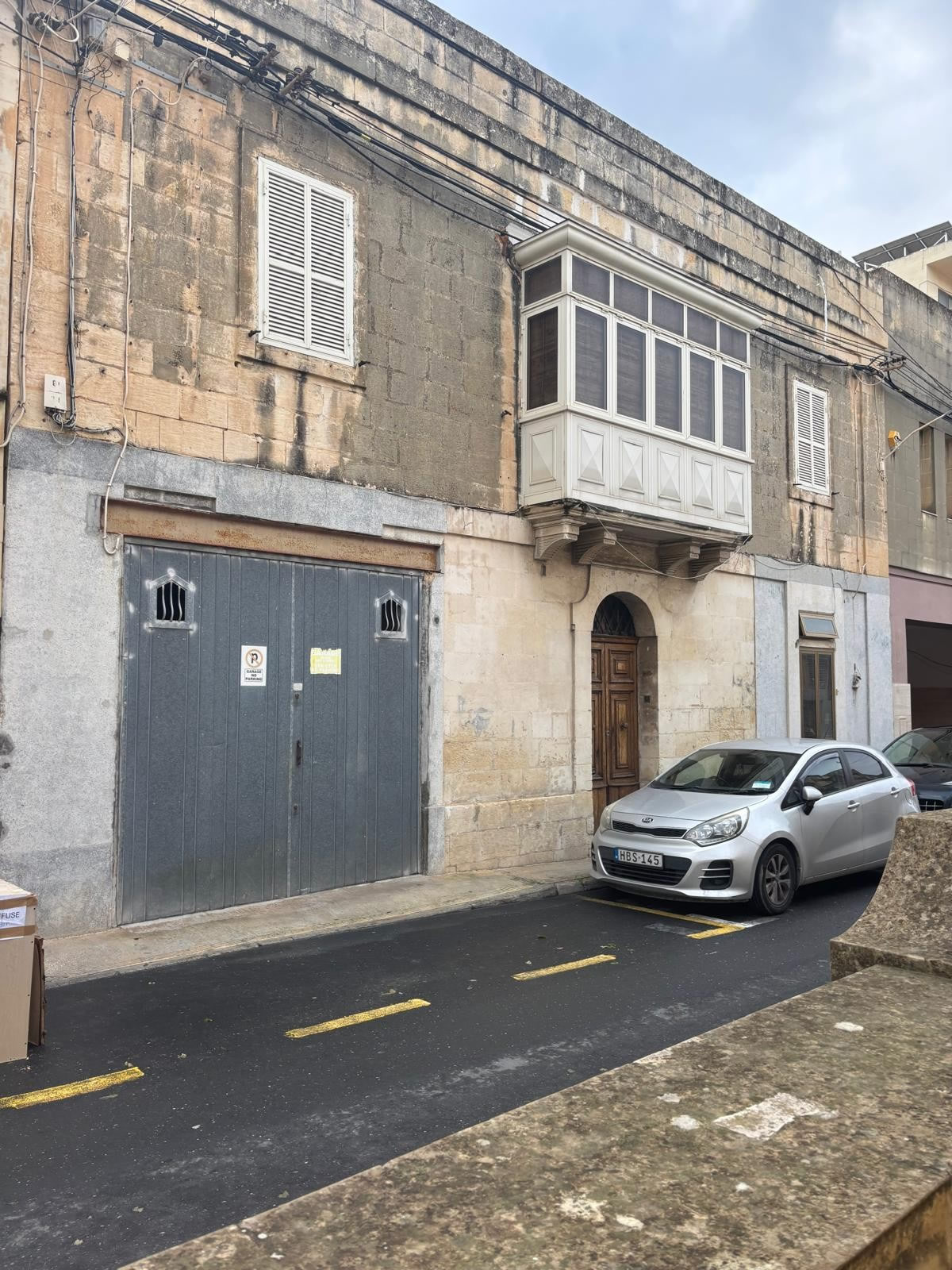
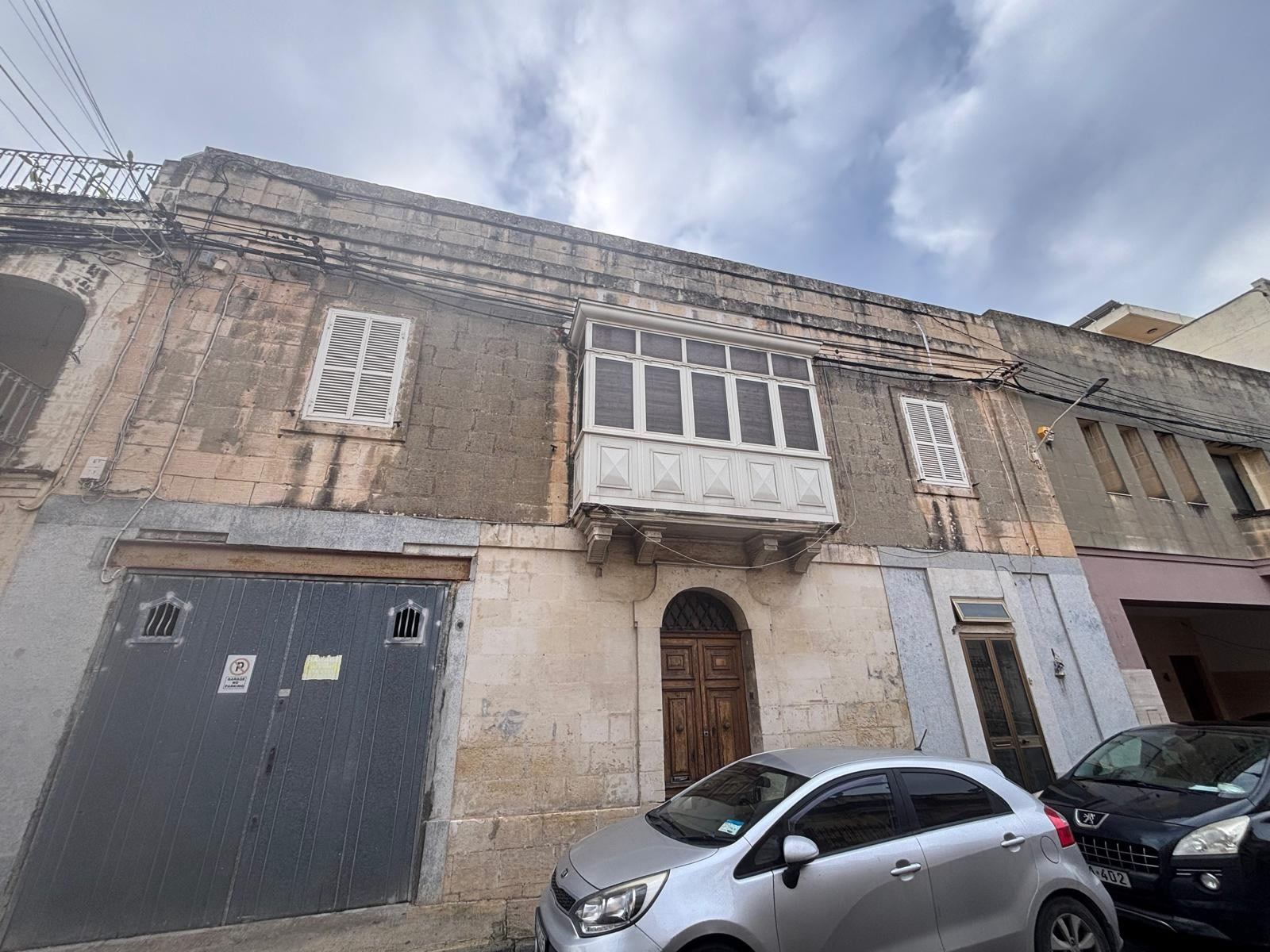
35.902151, 14.471450 Google Map LinkThe Ta’ Triq San Ġiljan Windmill, Birkirkara, the windmill built in 1885, whose tower has since been removed and converted into a private residence. As with many late rural Maltese windmills, official documentation is limited, but its history can be reliably placed within Malta’s late 19th-century milling period.
Ta’ Triq San Ġiljan Windmill – Birkirkara (Built 1885)
1. Historical Context (Why it Was Built)
By 1885, Malta was under British rule, and traditional windmills were already in decline, being gradually replaced by:
Steam-powered mills
Imported industrial flour
Centralised roller mills
However, Birkirkara was Malta’s largest and fastest-growing village, with:
A dense population
Strong agricultural surroundings
Constant demand for locally milled wheat
This created economic justification for one of the last traditional windmills ever built in Malta.
The Ta’ Triq San Ġiljan windmill belongs to the final generation of Maltese windmills.
2. Construction (1885)
Structure (Original Form)
Like other late Maltese windmills, it consisted of:
A tall cylindrical stone tower (globigerina limestone)
A rotating wooden cap
Four long timber sails
Thick internal masonry supporting:
Upper millstones
Vertical drive shaft
Brake wheel and gear assembly
Its location along today’s Triq San Ġiljan was once:
Open agricultural land
Exposed to reliable sea winds from the north-east
Ideal for continuous grain processing
3. Function & Use
The windmill served primarily as a grain-grinding mill for wheat and barley, processing:
Farmers’ grain from Birkirkara
Surrounding villages including:
Lija
Balzan
Ħamrun outskirts
Farmers were paid in:
Cash
Or a milling portion of grain (traditional toll)
The windmill would have operated:
Seasonally during harvest
Intensively during shortages
Daylight hours only (wind-dependent)
4. Decline & End of Milling
By the early 20th century, several changes caused its closure:
Industrial roller mills became dominant
Imports from Sicily and later Britain increased
Wind-powered milling became uneconomical
Urbanisation surrounded the mill, blocking wind flow
The windmill ceased commercial operation in the early 1900s.
5. Demolition of the Tower & Conversion to Residence
Unlike protected earlier windmills:
The tower was completely dismantled
The stone reused or removed
The base structure was retained and redeveloped
The site was turned into a private residence
Today:
✅ No sail structure survives
✅ No cap or internal machinery remains
✅ The former mill site is integrated into normal residential housing
✅ Only its **historical footprint and address preserve its memory
6. Why This Windmill Is Important
Even though physically lost, this windmill is significant because it represents:
✅ One of the last traditional windmills ever built in Malta
✅ The final phase of wind-powered technology on the island
✅ A transition point between:
Medieval milling
Industrial milling
✅ The rapid urban growth of Birkirkara
7. Comparison with Earlier Windmills
| Earlier Windmills | Ta’ San Ġiljan Windmill |
| Built 17th–18th c. | Built 1885 |
| Knights of St John | British Period |
| Many still standing | Completely dismantled |
| Monumental towers | Lost entirely |
8. Present Status
📍 Location: Triq San Ġiljan, Birkirkara
🏗 Structure: Residential building
🌀 Windmill tower: Lost / demolished
⚙️ Machinery: None surviving
🏛 Heritage status: Unscheduled / undocumented officially