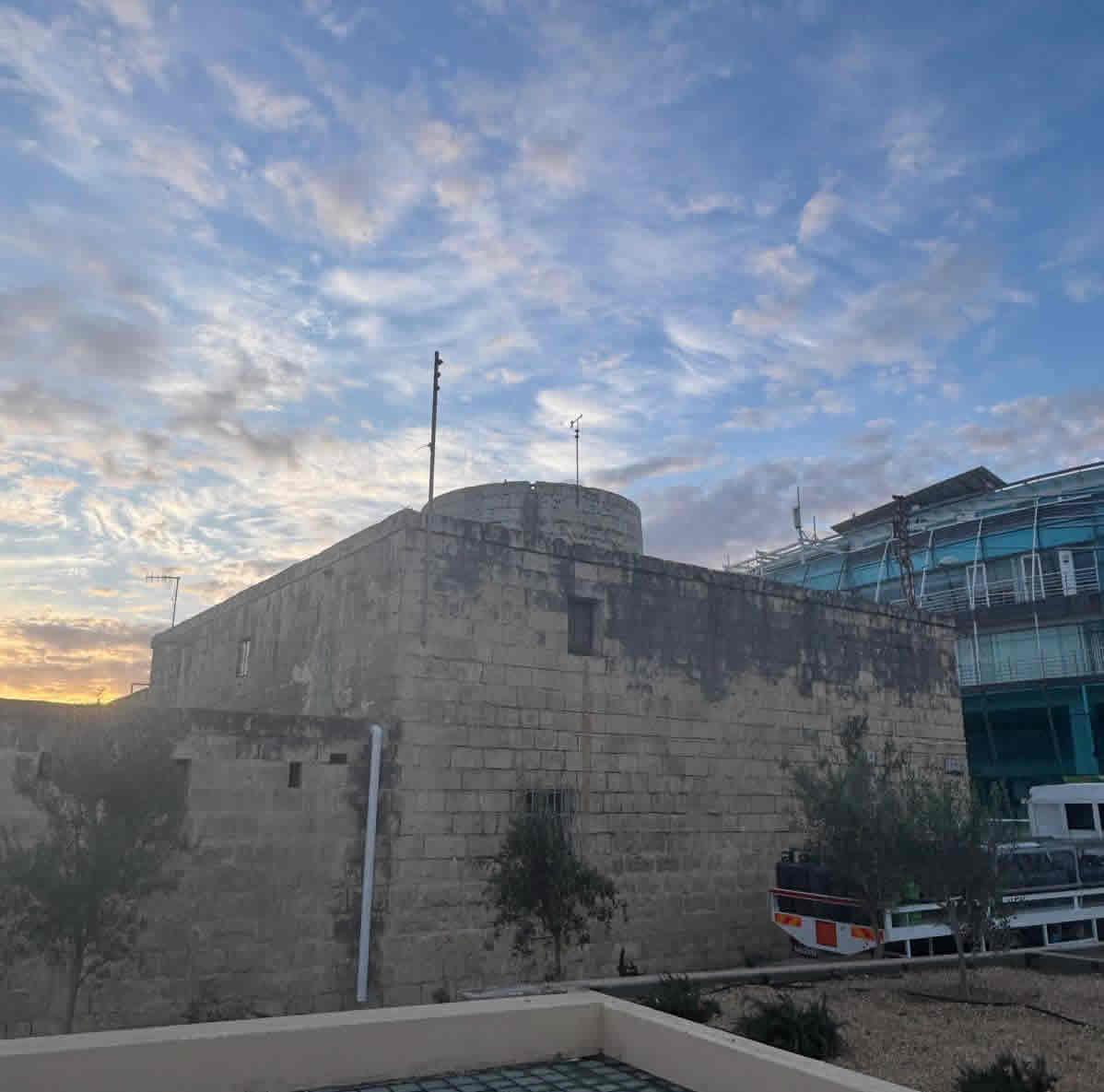
Ta 'Srina Windmill Zebbug
📍 Location
35.878863, 14.439255Here’s a consolidated history and construction summary for Ta’ Srina Windmill, Triq Imdina, Ħaż-Żebbuġ (Zebbug), Malta.
Short summary
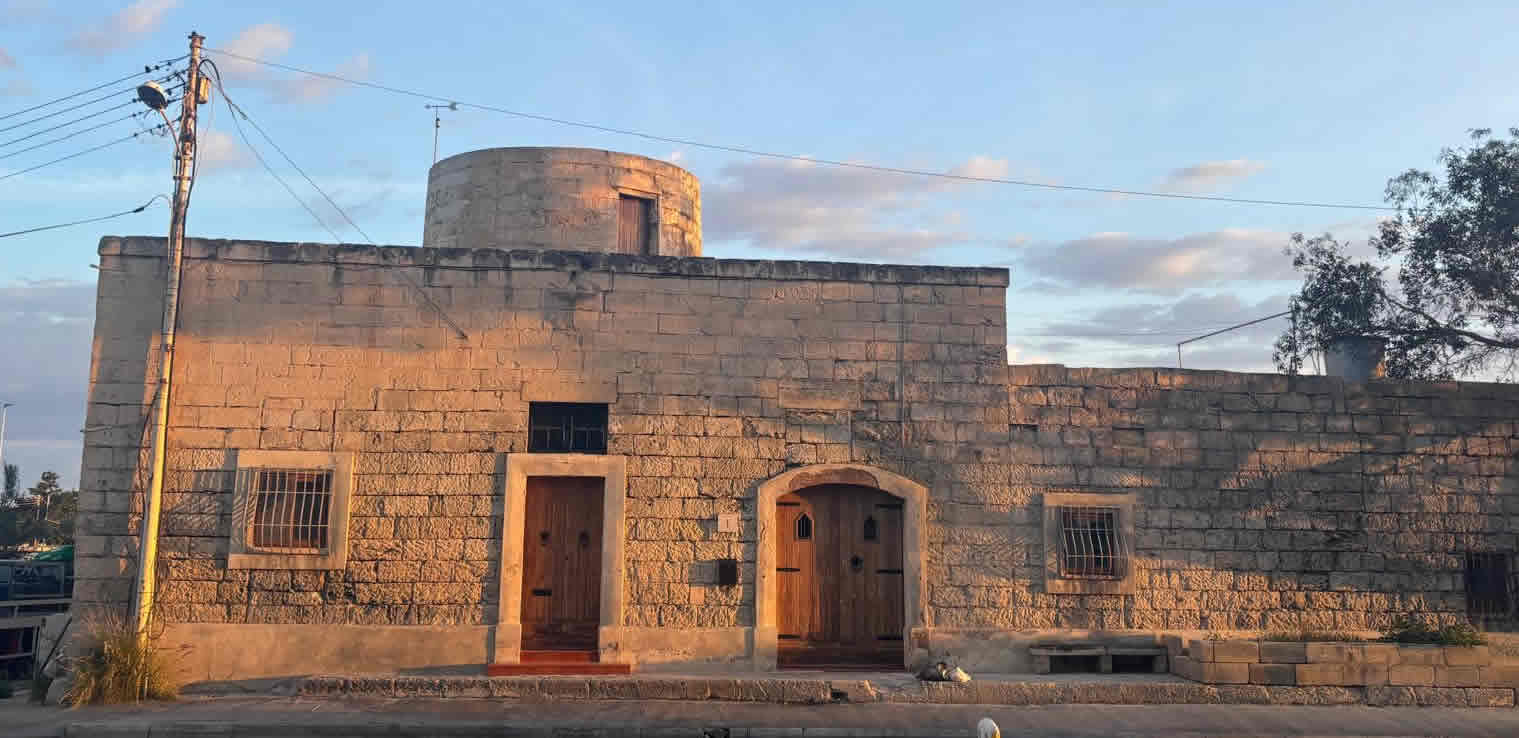
Ta’ Srina is a traditional Maltese tower windmill on the northwest edge of Żebbuġ (corner of Triq Imdina / Triq Ħ'Attard ). It dates from the late 17th century (listed as built 1685 in one windmills database), remained in use into the late 19th/around 1900, and was later altered (sails removed, tower lowered) and converted to a residence.
History & timeline
Origin / date: Sources that catalogue Malta’s historic mills list Ta’ Srina among mills built in the post-Cottoner / Manoel Foundation era; one windmill database records the building year as 1685.
Operational period: Like many rural Maltese windmills, Ta’ Srina was used for grinding local cereals and remained operational into the 19th century; several references indicate it was in use until about 1900.
Decline & alteration: As industrial milling and other changes reduced demand, the mill’s sails were removed and the tower was reduced in height; the structure was subsequently converted into a private house (a common fate for many Maltese windmills).
Location / planning context: The mill sits on Triq Imdina (Mdina Road) in the outskirts of Żebbuġ; local planning documents and area maps reference “Mdina Road (Ta’ Srina)” as part of the settlement’s boundary/containment area.
Construction details — what the original mill would have been like
Ta’ Srina is (or was) a Maltese tower windmill — typical features and materials (supported by Maltese windmill studies and historical descriptions):
Form & materials: A cylindrical limestone tower rising from a rectangular single-storey stone base (the base often contained storage rooms, stables or ancillary spaces). Thick local globigerina limestone walls and stone vaults were used throughout.
Cap & sails: Traditional mills had a wooden rotating cap (or cap structure) fitted with a windshaft and four to eight wooden or timber-framed sails (vanes) covered in sailcloth or slatting. The cap allowed the sails to be turned into the wind.
Internal machinery: Inside were one or more millstones (usually runner + bedstone), wooden gearing (cog wheels, stone spindle), and supporting stone or timber floors and hoppers for grain. A stone chute and sack handling areas were typical.
Foundation & orientation: Towers were sited to capture prevailing winds and were spaced so millers could gauge wind availability from neighboring mills — a practical and cultural pattern across Maltese rural windmills.
Current condition & usage
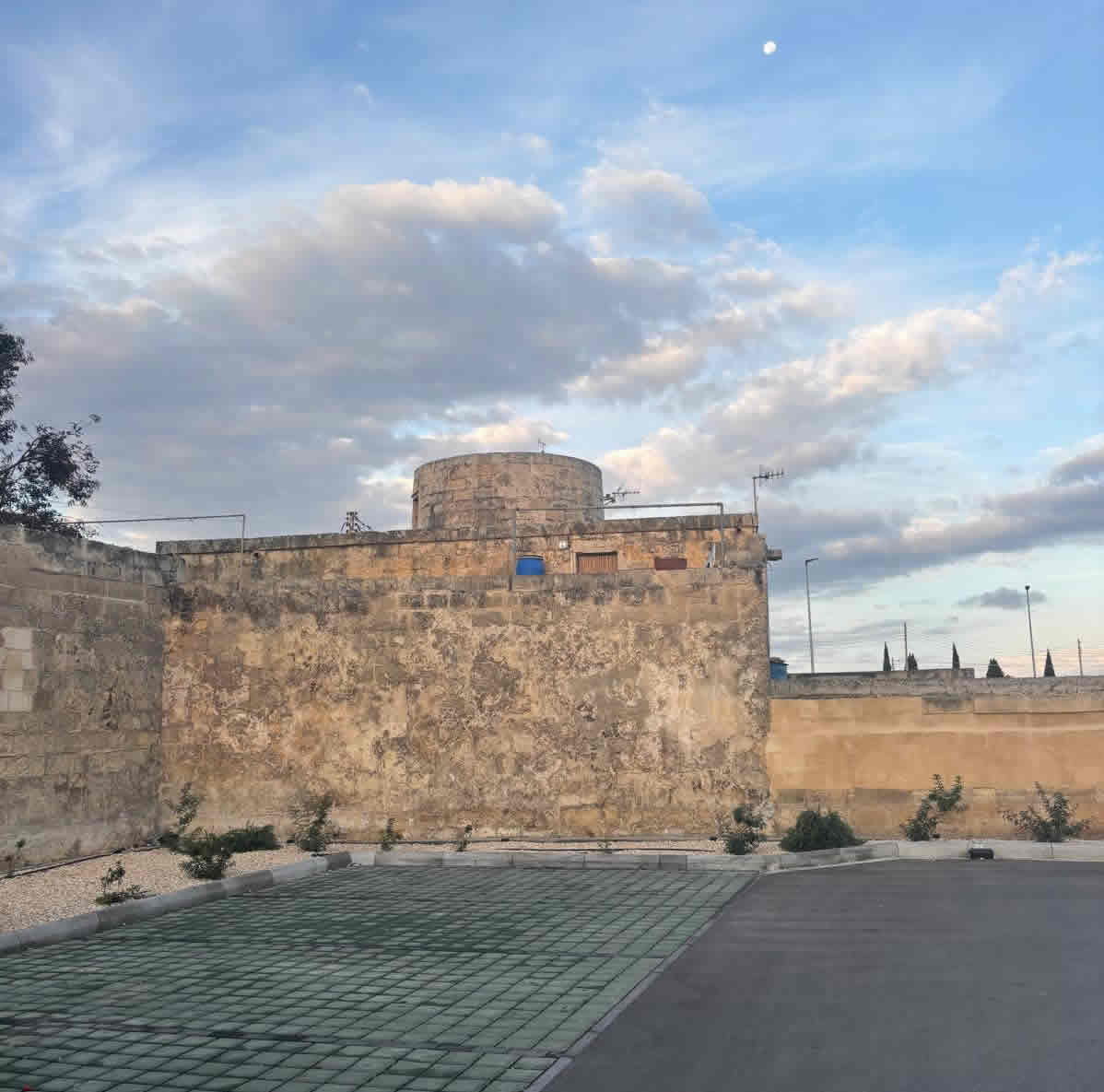
Most sources indicate Ta’ Srina no longer functions as a working mill; the sails were removed and the tower modified (height reduced) and converted for residential use. Photographic and commons collections show the structure in its altered state (and confirm its Triq Imdina / Ta’ Srina location).