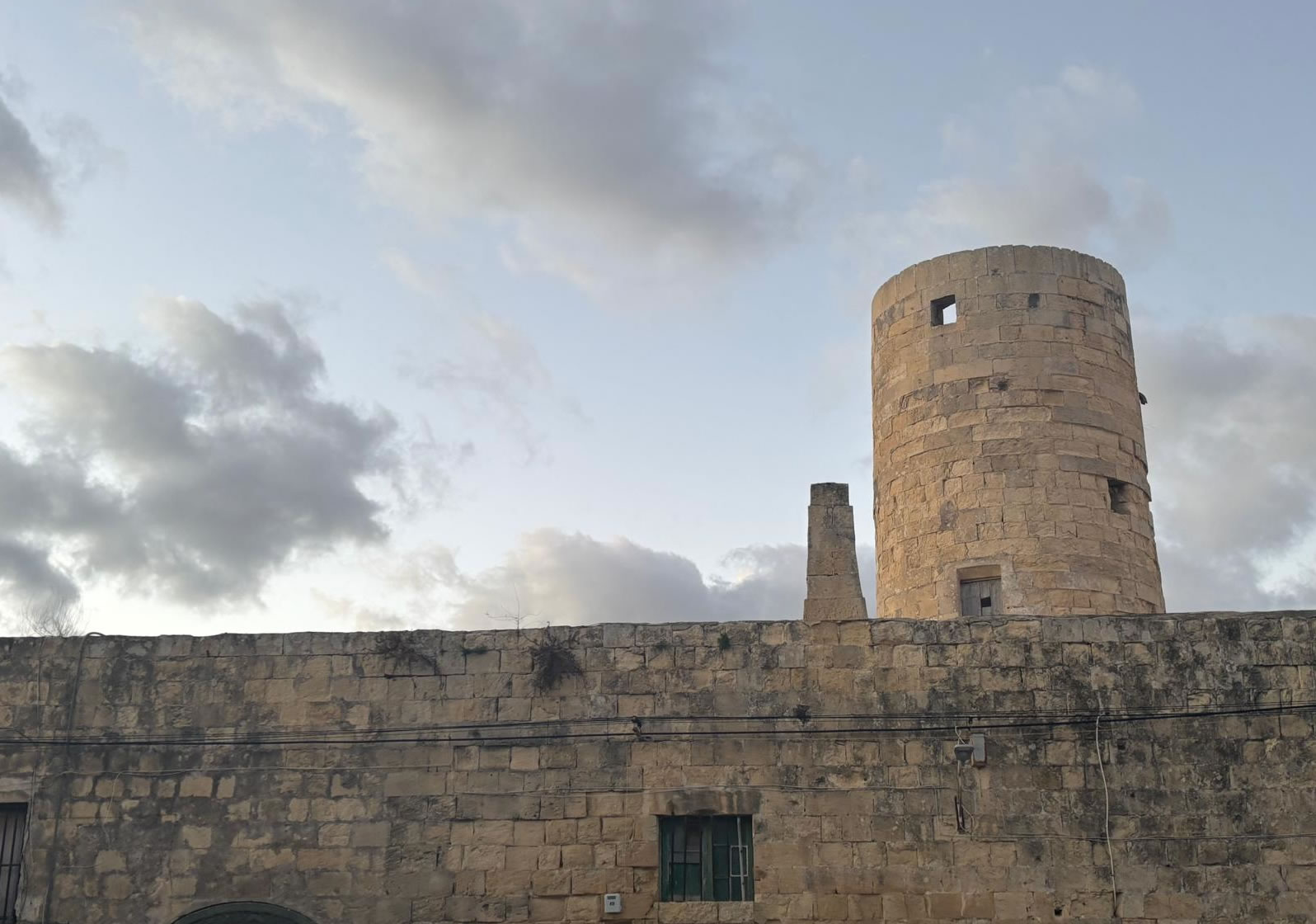
Here’s a summary of the construction and history of Santa Margherita Windmill in Cospicua, Malta:
📍 Location
35.883524, 14.524616History, with construction, use and later fate, of the Santa Margherita Windmill in Cospicua (Bormla), Malta.
📜 Origins & Construction
The Santa Margherita Windmill was built in 1674 under the auspices of the Cotoner Foundation, set up by Nicolas Cotoner (Grand Master of the Order of Saint John).
The order in 1674 authorised construction of “two windmills on St Margherita Hill at Bormla.” These correspond to the Santa Margherita windmills.
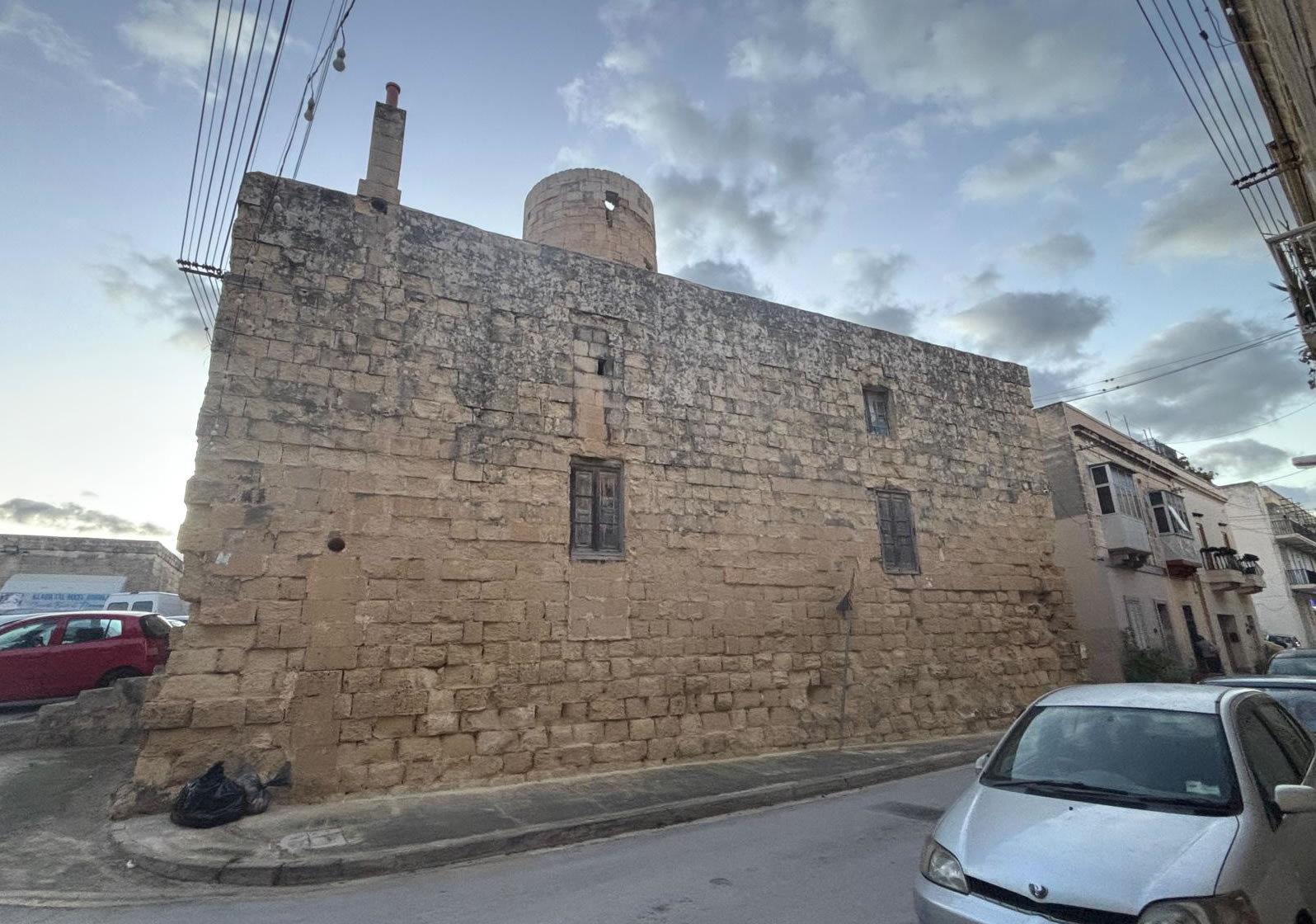
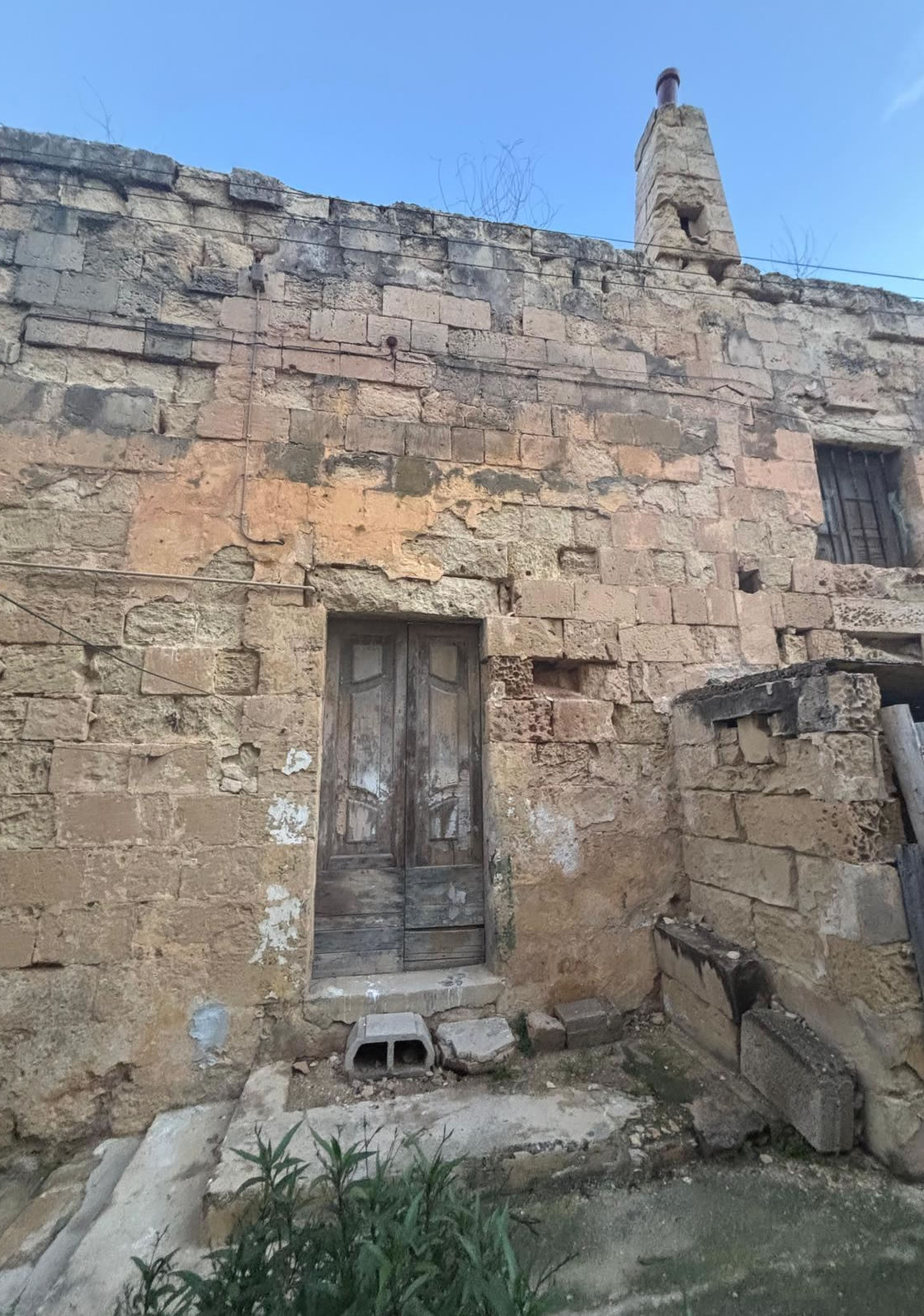
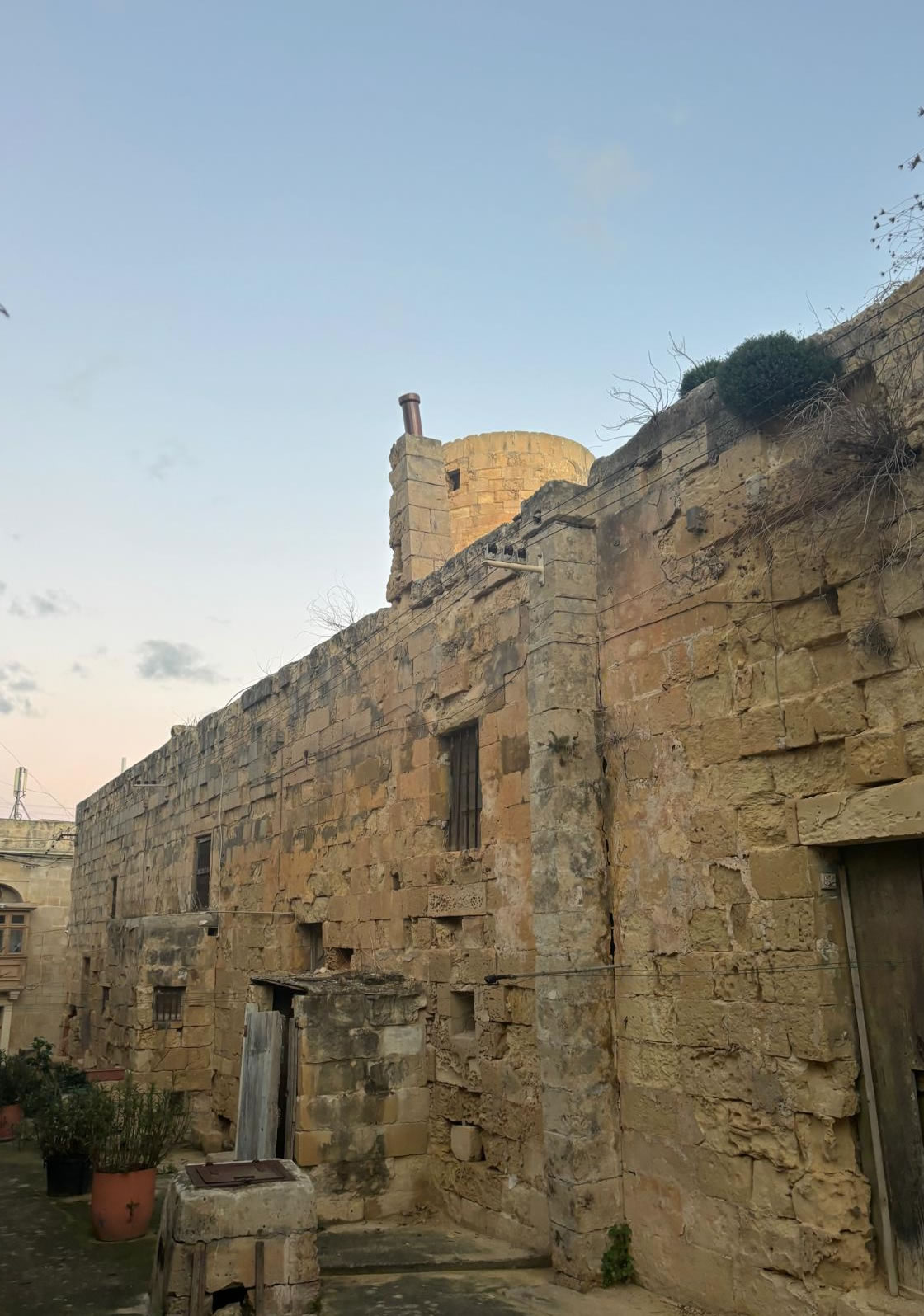
Architecturally, it was a “tower-type” (round) windmill — a typical design on Malta: a central cylindrical limestone tower (housing the grinding mechanism) surrounded by a squarish base building that contained storage, stables or animal-housing (e.g., donkeys or mules), and living quarters for the miller and family.
Under the Cotoner Foundation model, the windmills (including this one) were built and rented out. The income covered certain expenses — in this case, partly the salary of soldiers stationed in nearby fortifications (e.g. Fort Ricasoli).
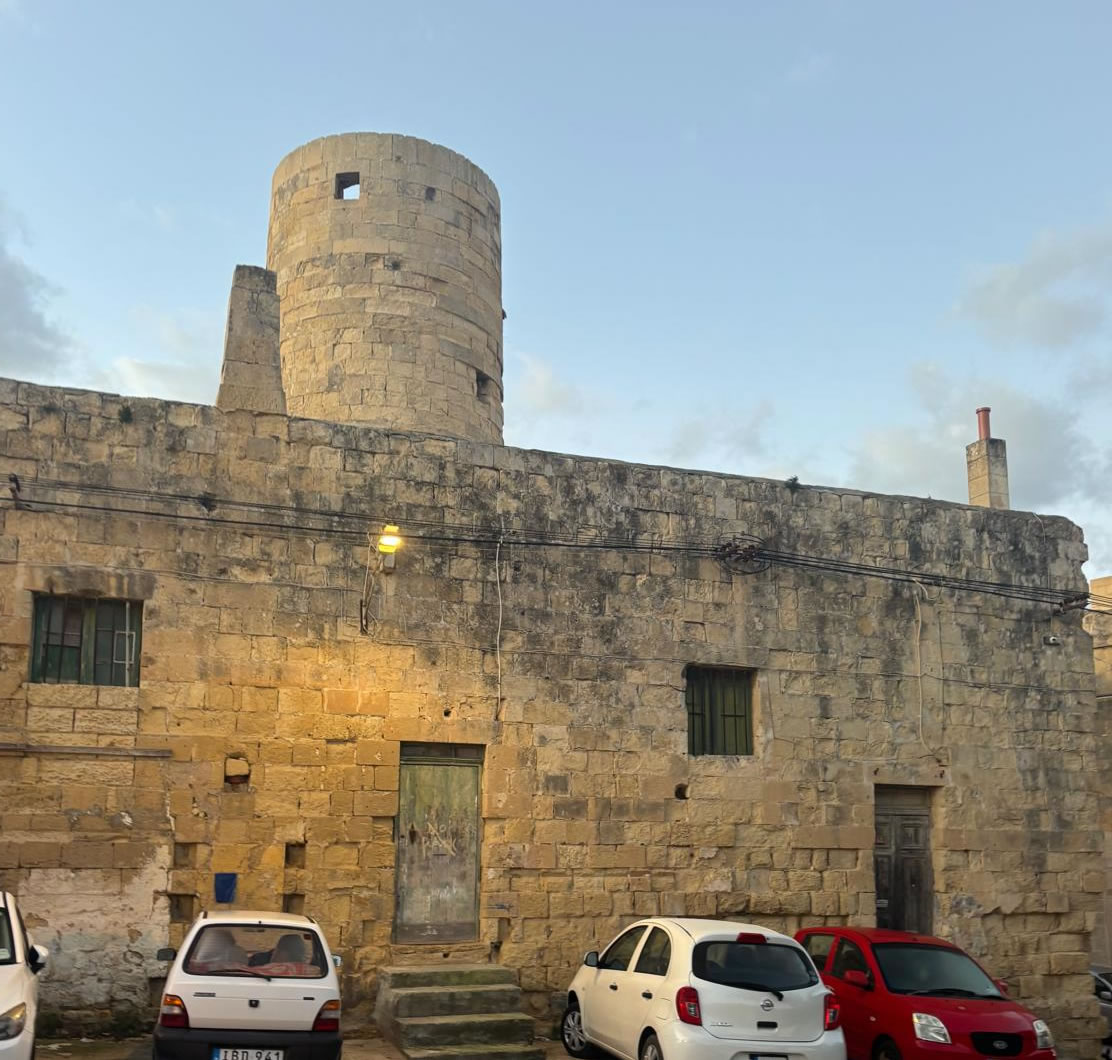
🛠 Original Purpose & Use
The primary purpose of the Santa Margherita Windmill was grain milling — grinding cereals (such as wheat, barley or corn) into flour for local consumption. This was a crucial service for urban and rural populations alike.
In some similar Maltese windmills located near fortifications, milling also had a military or quasi-military dimension: occasionally used to grind materials such as charcoal (especially if near gunpowder magazines), or simply to supply flour to a garrisoned population. One account referencing the windmills on St Margherita Hill suggests that at least some windmills in such contexts could have had linkages to military supply needs.
Over the centuries, the windmill operated under different tenants — the Cotoner Foundation rented the windmill out to private millers. Documentation indicates that in 1795, the windmills were rented to individuals (in that instance, Matteo Fenech and his nephew). Later under British rule, rental passed to a miller named Bonavia from Naxxar.
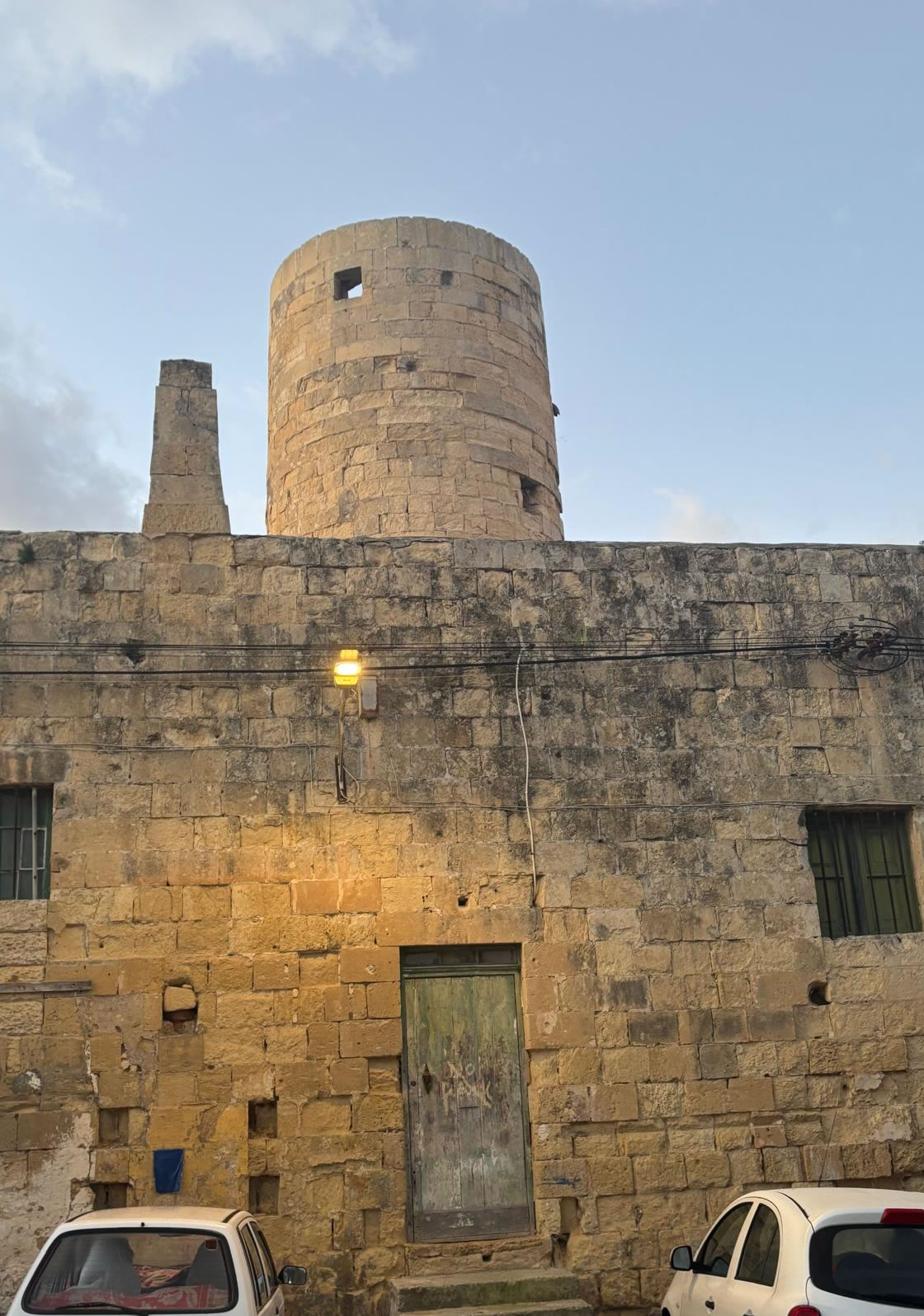
⏳ Later History & Decline
The Santa Margherita Windmill remained active long after its 17th-century foundation. According to heritage sources, its use continued until 1916.
As with many traditional windmills across Malta, its decline was driven by technological and economic change: by the late 19th and early 20th century, steam-powered and mechanized milling had become more efficient and economical — reducing reliance on wind-powered local mills.
At some later point (likely mid-20th century), the windmill’s original milling mechanism — sails, shafts, millstones and gears — was dismantled. According to one source, parts of the mechanism were removed to restore another historic mill, the Xarolla Windmill in Żurrieq.
Today, the Santa Margherita Windmill is privately owned (a residence), and no longer operates as a mill.
🎯 Historical Significance & Context
The windmill is part of a broader phase of windmill-building on Malta under the Order of Saint John: the 1660s–1680s, especially under Grand Master Nicolas Cotoner, saw a major push to build windmills across the islands. These served both civilian and military/logistics-related needs.
The siting of windmills like Santa Margherita, especially on hills or near fortifications (e.g. on St Margherita Hill, overlooking parts of Bormla / the harbour), allowed them to catch stronger winds. The elevation would also ensure the miller could see the sails of other mills (windswept communication / signaling across the Maltese archipelago), a feature noted for many Maltese windmills.
Economically, these mills were part of a self-sustaining system under the Cotoner Foundation: rent from mills supported colonial/military expenses (e.g. soldiers’ salaries), showing how civil infrastructure and military financing overlapped.
Culturally, the windmills — many built in this era — formed an important part of Malta’s pre-industrial landscape. The Santa Margherita Windmill is one of the few within what is now the urban fabric of the “Three Cities,” linking Malta’s rural-agricultural past with its maritime and military history.
⚠️ What We Don’t Know (Uncertainties / Gaps)
There is little published detail on the exact internal mechanism or any modifications the Santa Margherita Windmill may have undergone over its centuries of operation. Unlike some better-documented mills (in rural areas), there is no public inventory of the millstones, gearing or floor-plans.
While heritage sources say the windmill was in use until 1916, it’s not clear how active or economically viable it was in its final decades — whether it served as a primary flour mill, or more intermittently (e.g., for animal feed, small-batch milling, etc.).
There is no available record of any restoration effort aimed at returning the mill to working order — the dismantling of its mechanism to support other mills suggests its industrial function was abandoned permanently.
🧾 Summary Timeline
| Year / Period | Event / Status |
| 1674 | Santa Margherita Windmill built by Cotoner Foundation on St Margherita Hill, Bormla. |
| Late 1600s–1700s | Serves as a grain-milling facility for locals; rented out to private millers under Cotoner Foundation scheme. |
| 1795 | Documentary record: windmills (including Santa Margherita) rented to Matteo Fenech (and nephew). |
| 1800s (British period) | Windmill operation continues; rented to successive millers (e.g. Bonavia of Naxxar). |
| 19th century (1800s) | Gradual decline in wind-powered milling due to competition from steam / mechanised mills. |
| 1916 | Santa Margherita Windmill ceases operation. |
| Mid–20th century (or later) | Milling machinery dismantled — parts transferred to other historic windmills (e.g., Xarolla Windmill). |
| Present | Structure survives as a private residence. No sails or milling mechanism remain. |
🏠 Current Status
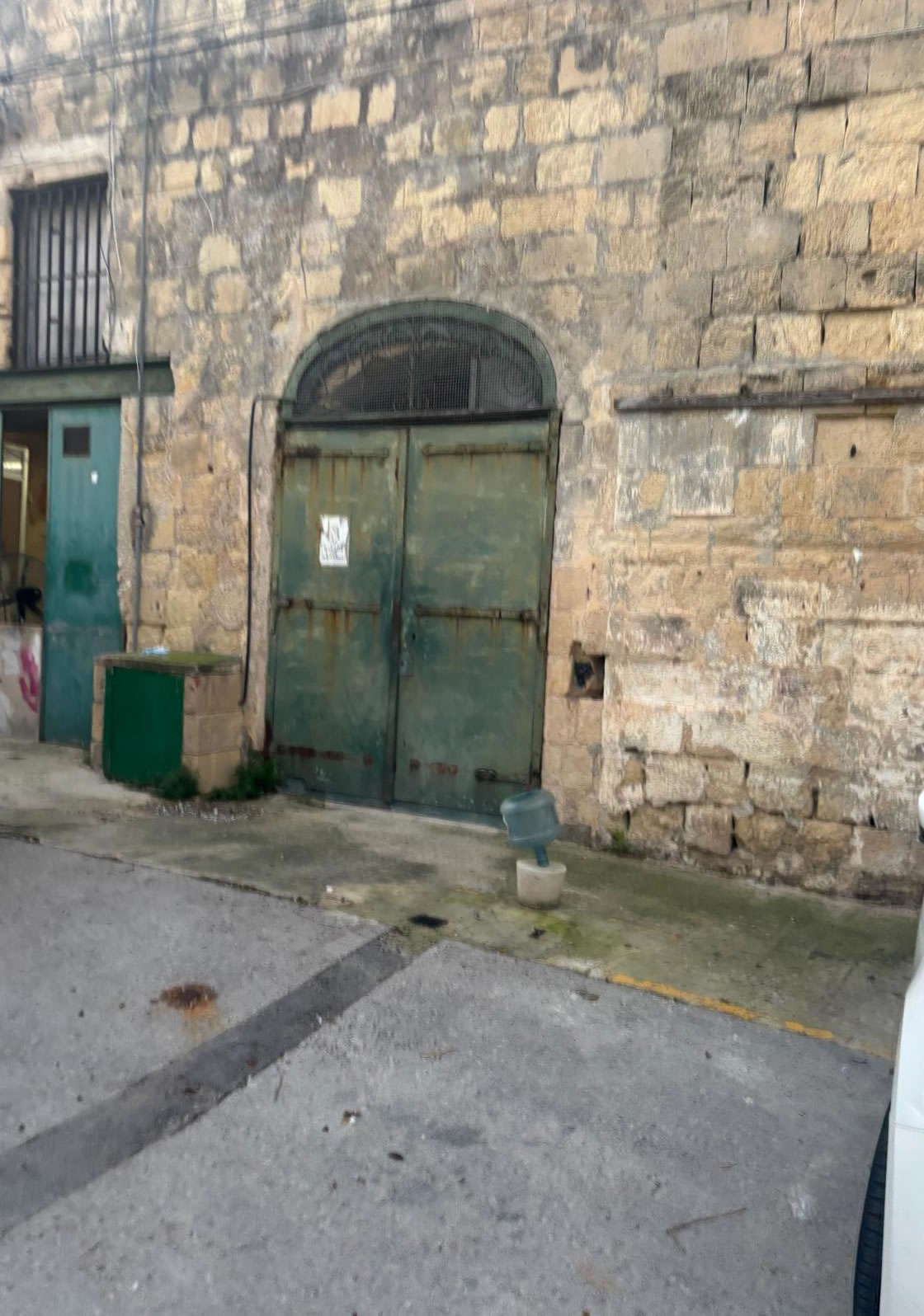
The building remains standing, incorporated into the urban fabric of Cospicua.
As a private residence, there is no public access, and to my knowledge, no heritage restoration or active preservation program has been applied to restore it to operational status (unlike a few other Maltese windmills which survive as museums or restored mills).
Its historical and architectural value lies in its status as one of the few surviving “Three Cities” windmills, and as part of the legacy of the great 17th-century Cotoner windmill-building campaign that shaped pre-industrial Maltese infrastructure.