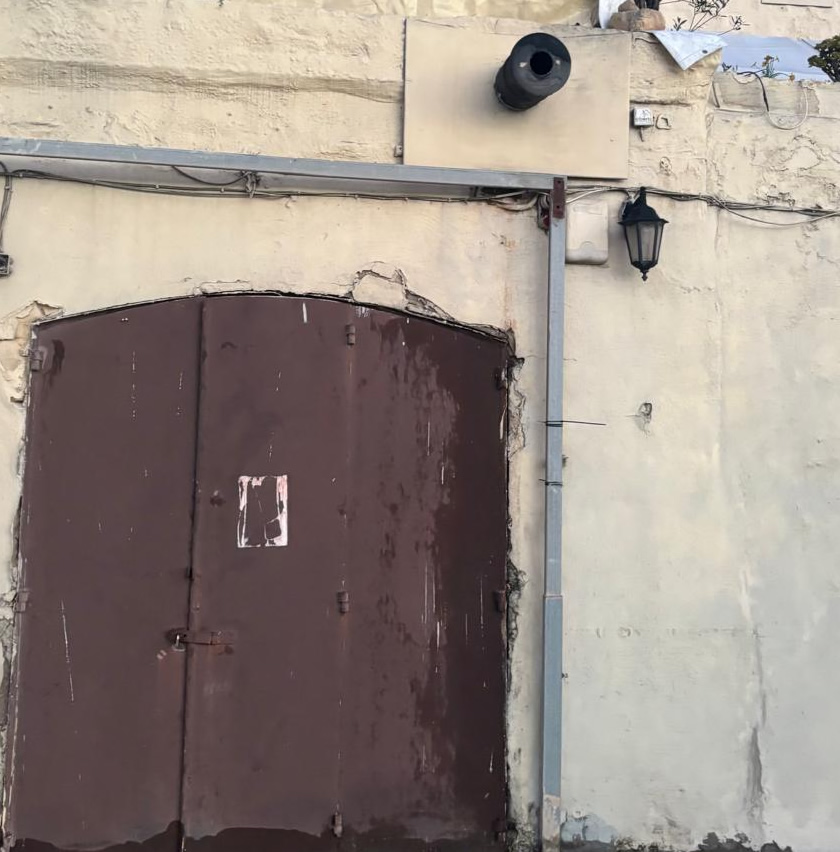
⚔️ The Arrias Battery (Xemxija Battery) in Xemxija
📍 Location
Situated in Telghet ix-Xemxija Xemxija Bay. Google Map Link
The coordinates of Arrias Battery are: 35.947381, 14.383116
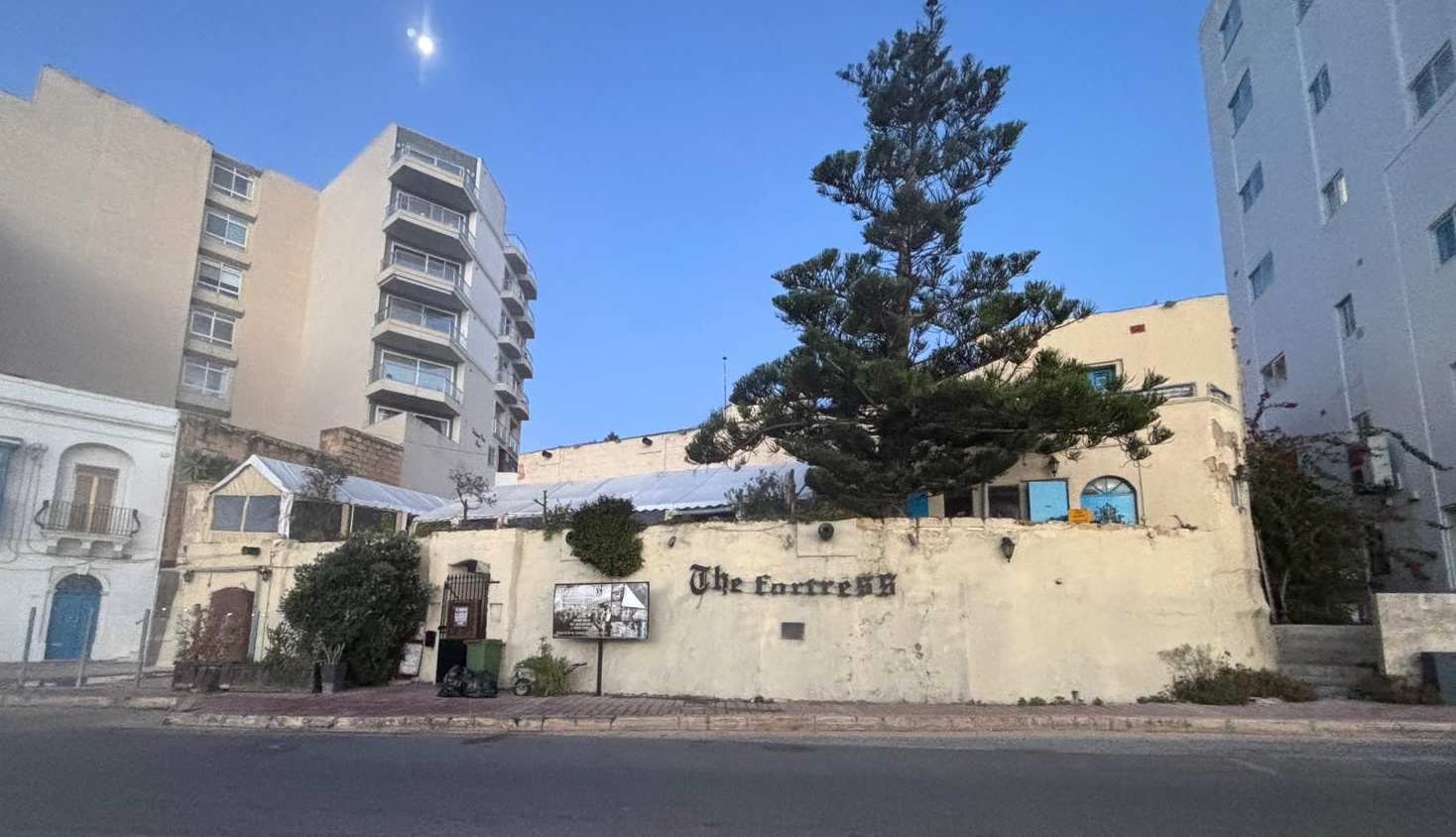
Arrias Battery, also known as Xemxija Battery, is a historic coastal artillery battery located on the northern shore of Malta overlooking the small inlet of Xemxija Bay. Built in 1715 by the Order of St John as part of a wider defensive network protecting St Paul’s Bay, the battery once served as an important forward military post against seaborne attacks. Today, after extensive restoration and adaptive reuse, Arrias Battery has been transformed into a modern restaurant, allowing visitors to experience Maltese history blended with contemporary hospitality.
Historical Background: Malta’s 1715 Coastal Defence Programme
In 1715, the Order of St John initiated a major fortification effort to secure Malta’s vulnerable northern bays against Ottoman or corsair incursions. This included the construction of several small but strategically placed batteries designed to cover landing points and create layered defensive fire across St Paul’s Bay. Arrias Battery was one of these installations, built to protect the sheltered inlet that is now known as Xemxija Bay.
Construction of Arrias Battery (1715)
The battery was completed in 1715, featuring typical early-18th-century military architecture used by the Knights. Its design followed the standard pattern for coastal batteries: a gun platform facing the sea, a defensive blockhouse, and protective parapets. Built entirely from local limestone, the battery blended into the rocky shoreline while remaining robust enough to withstand enemy fire.
Architectural Features
- Semi-circular Gun Platform – Positioned to command the entrance to Xemxija Bay, the platform allowed the battery’s artillery to fire across the water and deter hostile ships attempting to land.
- Parapet & Embrasures – Low parapet walls with firing openings provided protection for gunners and ensured a wide field of fire across the bay.
- Blockhouse – The landward side housed a small blockhouse, serving as a powder magazine, shelter, and defensive fallback position.
- Raised Stone Platform – The battery was built slightly elevated above the shoreline, giving it additional visibility and range.
Strategic Importance of Xemxija Bay
Xemxija Bay forms part of the broader St Paul’s Bay area, a historically vulnerable landing zone due to its natural harbours and sheltered inlets. Arrias Battery worked in conjunction with:
- Wignacourt Tower
- Mistra Battery
- Qawra Tower
- Various entrenchments built along the coastline
These fortifications created a protective ring preventing enemy fleets from using the bay as a foothold.
Military Use During the 18th Century
Like other coastal batteries of the period, Arrias Battery was likely manned by a small contingent of militia or soldiers who kept watch over the bay. Though no major battles were recorded here, the battery served as a critical deterrent and a lookout point during periods of maritime tension.
19th & 20th Century Decline
With advances in artillery range and the decline of traditional naval warfare, many Order-era batteries lost their strategic value. By the 19th century, Arrias Battery was decommissioned and gradually fell into neglect.
During the 20th century, as Xemxija transitioned into a residential and holiday area, the battery suffered from deterioration, vegetation overgrowth, and partial structural damage. Despite this, its overall form remained recognisable.
Restoration & Conversion into a Restaurant
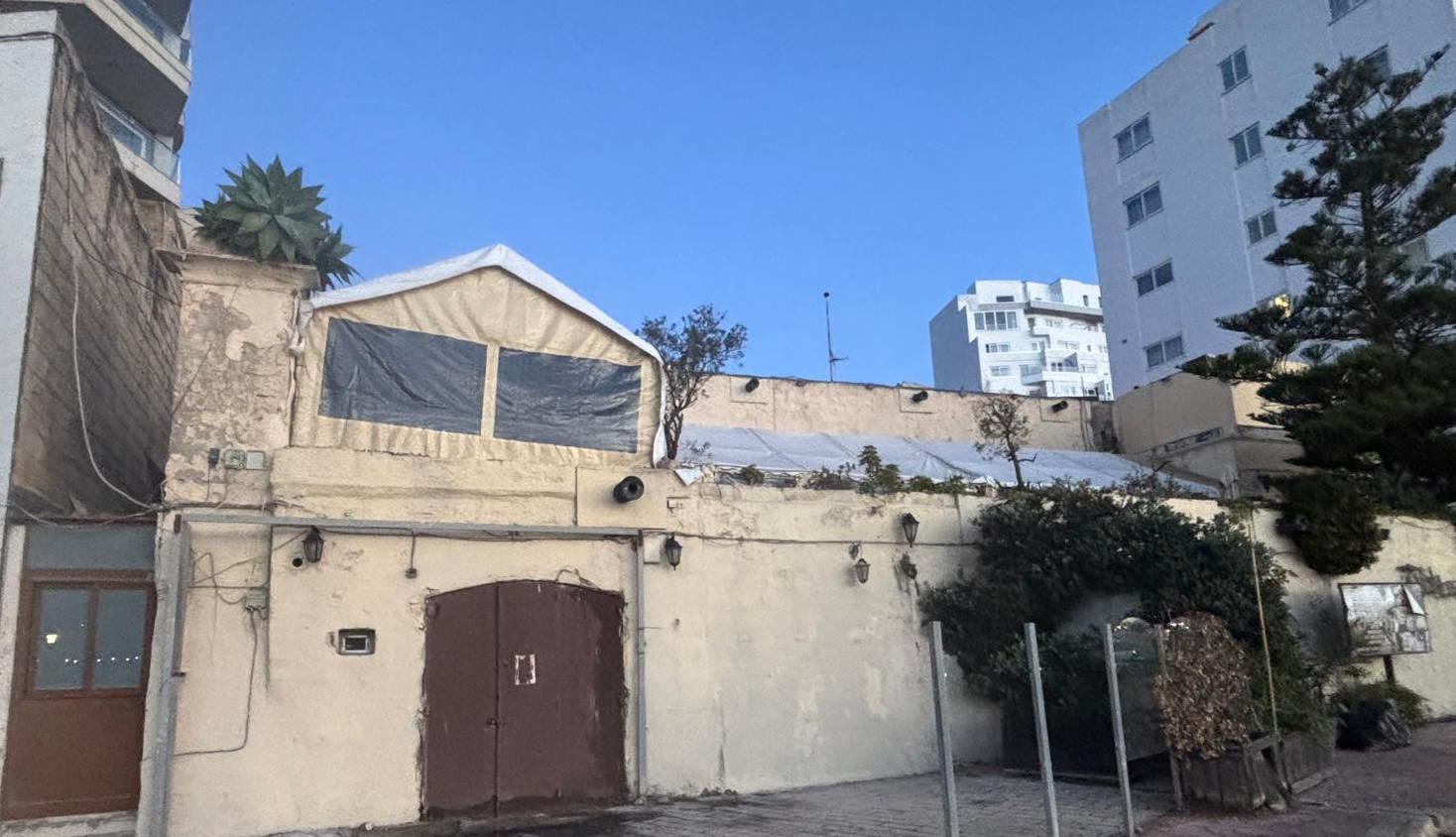
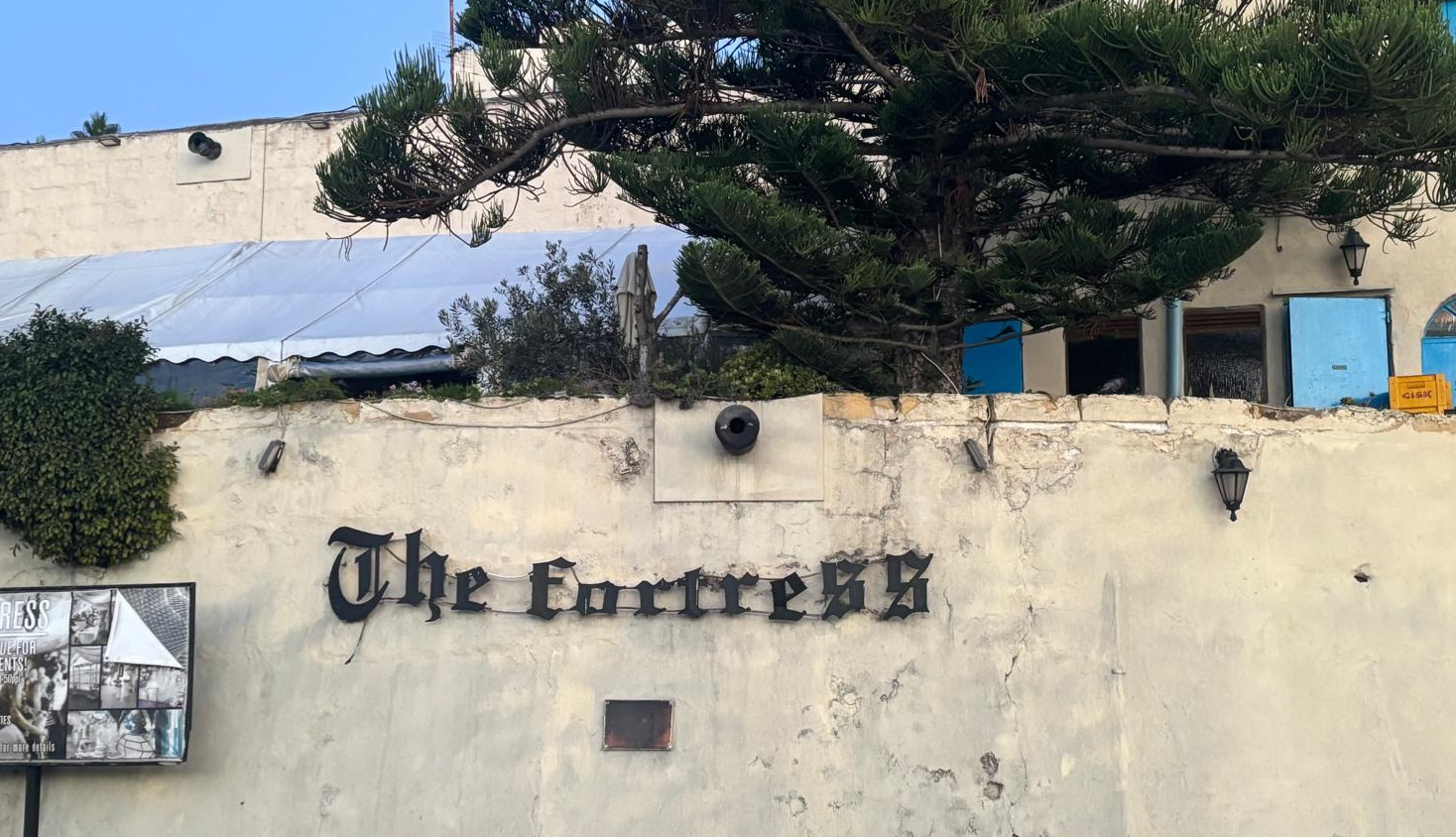
In recent years, Arrias Battery underwent significant restoration and adaptive reuse. The stonework was repaired, structural weaknesses addressed, and the interior spaces reshaped for commercial use. Today the battery has been successfully converted into a seafront restaurant, preserving much of its architectural character while offering visitors panoramic views over Xemxija Bay.
This adaptive reuse not only saves the site from further decay but also allows the public to appreciate one of Malta’s lesser-known coastal fortifications in an accessible, enjoyable setting.
Present-Day Condition
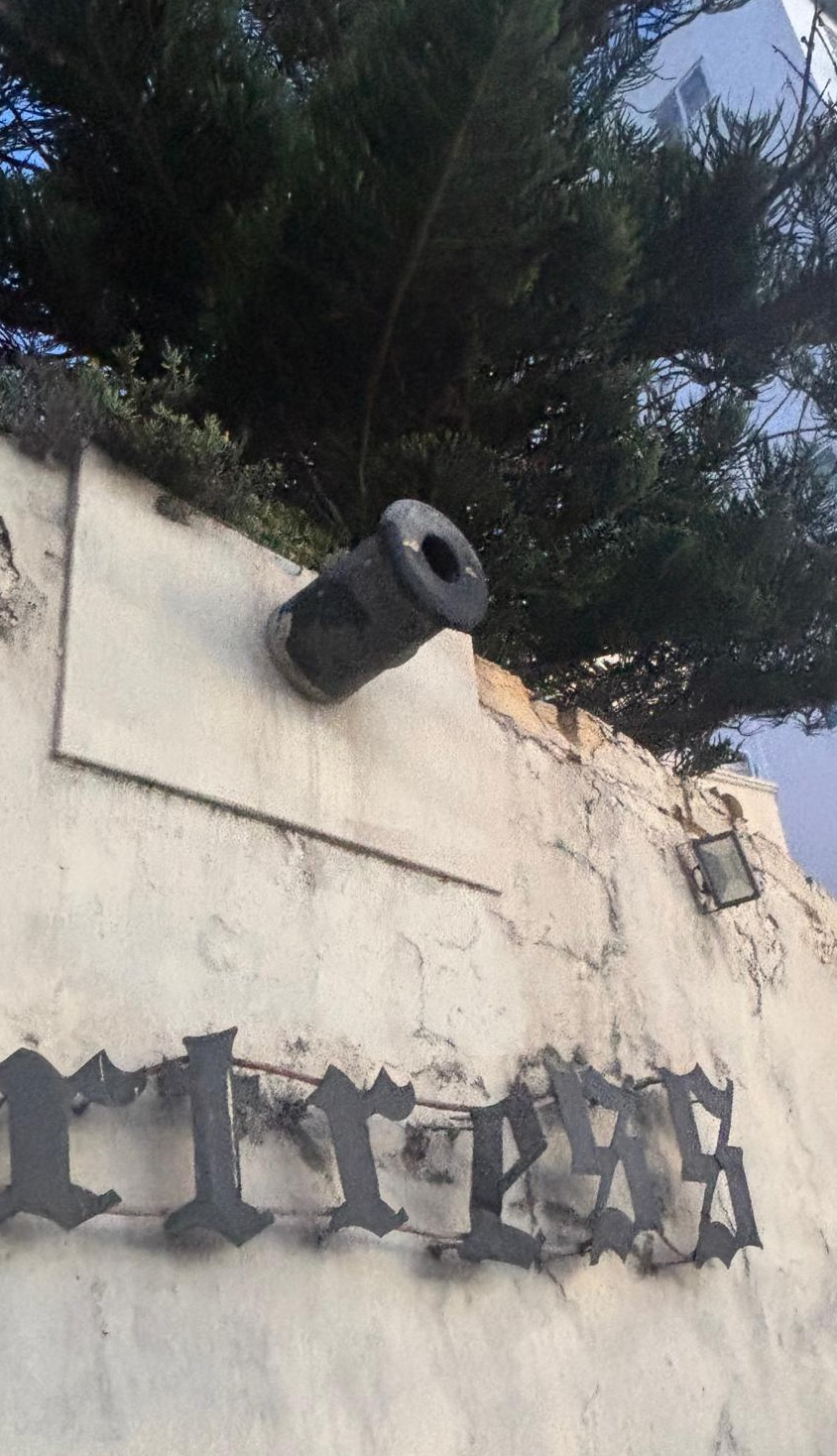
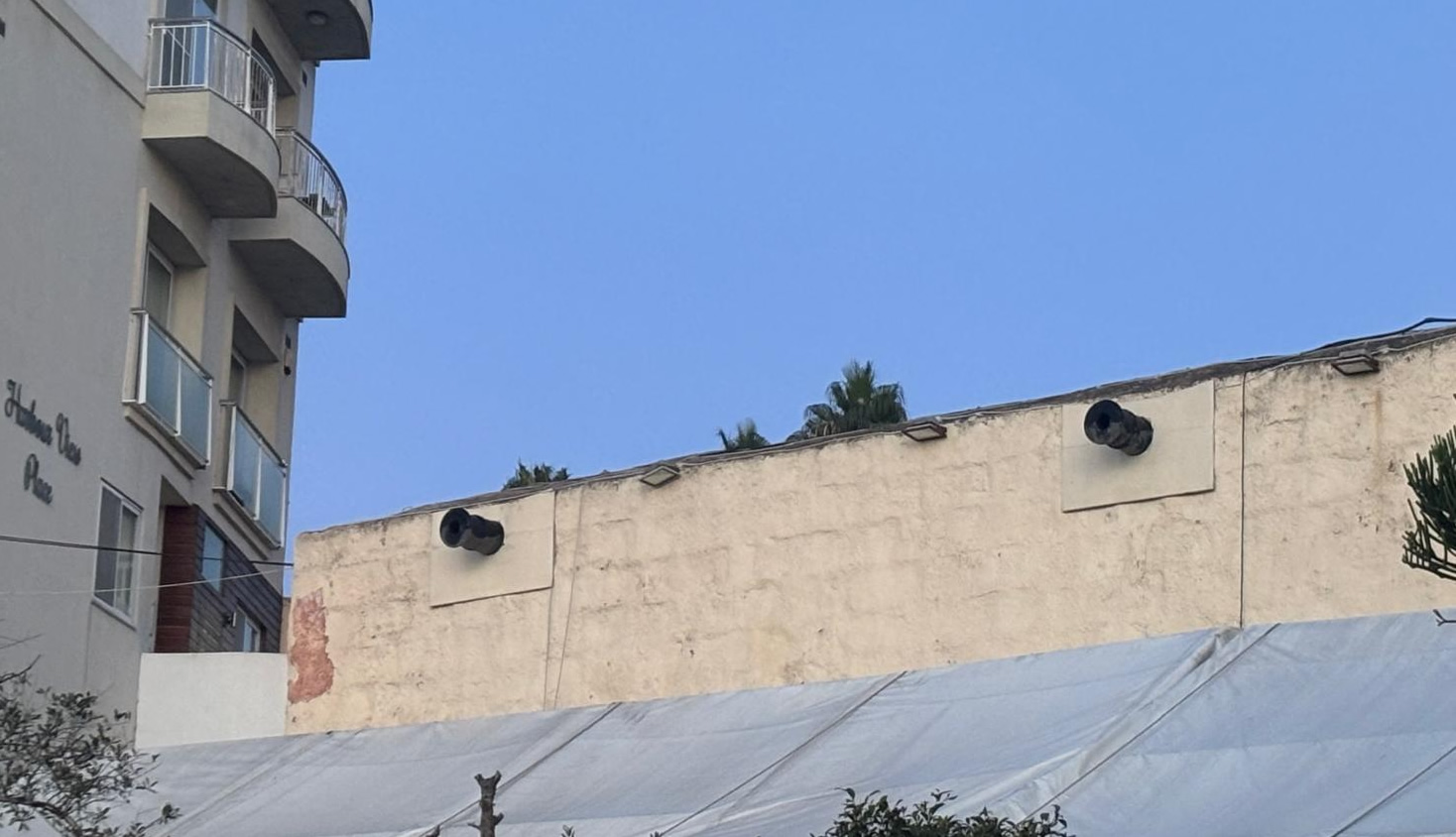
Thanks to commercial restoration, Arrias Battery is now in good structural condition compared to many other 1715-era batteries. Key exterior features remain visible, including parts of the stone parapets, the gun platform outline, and the blockhouse foundations. Internally, the building has been adapted for dining while maintaining engagement with its historical form.
Visiting Arrias Battery (Xemxija Battery) Today
Located on the waterfront of Xemxija Bay, the battery is easily accessible by car or on foot from St Paul’s Bay or Mellieħa. As it now functions as a restaurant, visitors can enjoy:
- Historic architecture blended with modern use
- Views across Xemxija Bay
- Dining within a preserved Order-era fortification
Opening hours depend on the restaurant, so visitors are advised to check current schedules before visiting.
Frequently Asked Questions
When was Arrias Battery built?
The battery was constructed in 1715 by the Order of St John.
Why was Arrias Battery built?
It was built to defend Xemxija Bay and the wider St Paul’s Bay area from naval attacks.
What remains of the original battery today?
Much of the external stonework, the gun platform outline, and the blockhouse structure remain visible, though the interior has been adapted for modern commercial use.
Can the public visit Arrias Battery?
Yes — the battery is now a restaurant, allowing visitors to dine inside a converted 18th-century coastal fortification.