Mattia Preti Tomb Inscription – St John’s Co-Cathedral, Valletta
The tomb of Mattia Preti (1613–1699), located within St John’s Co-Cathedral in Valletta, Malta, commemorates one of the most important Baroque artists of the 17th century. Preti, a knight and painter, was responsible for transforming the cathedral’s interior into a masterpiece of Baroque art.
His Latin epitaph reflects both his artistic achievements across Europe and his deep religious devotion, highlighting his contributions to Malta and his charitable legacy.
About Mattia Preti in Malta
Mattia Preti, often called Il Cavaliere Calabrese, was a leading Baroque artist who arrived in Malta in 1659. He was commissioned to decorate the interior of St John’s Co-Cathedral, including its famous vaulted ceiling depicting scenes from the life of St John the Baptist.
His work transformed the cathedral into one of the finest examples of Baroque art in Europe, and he was later admitted as a Knight of the Order of St John.
Mattia Preti
Grand Masters and Important People Paintings
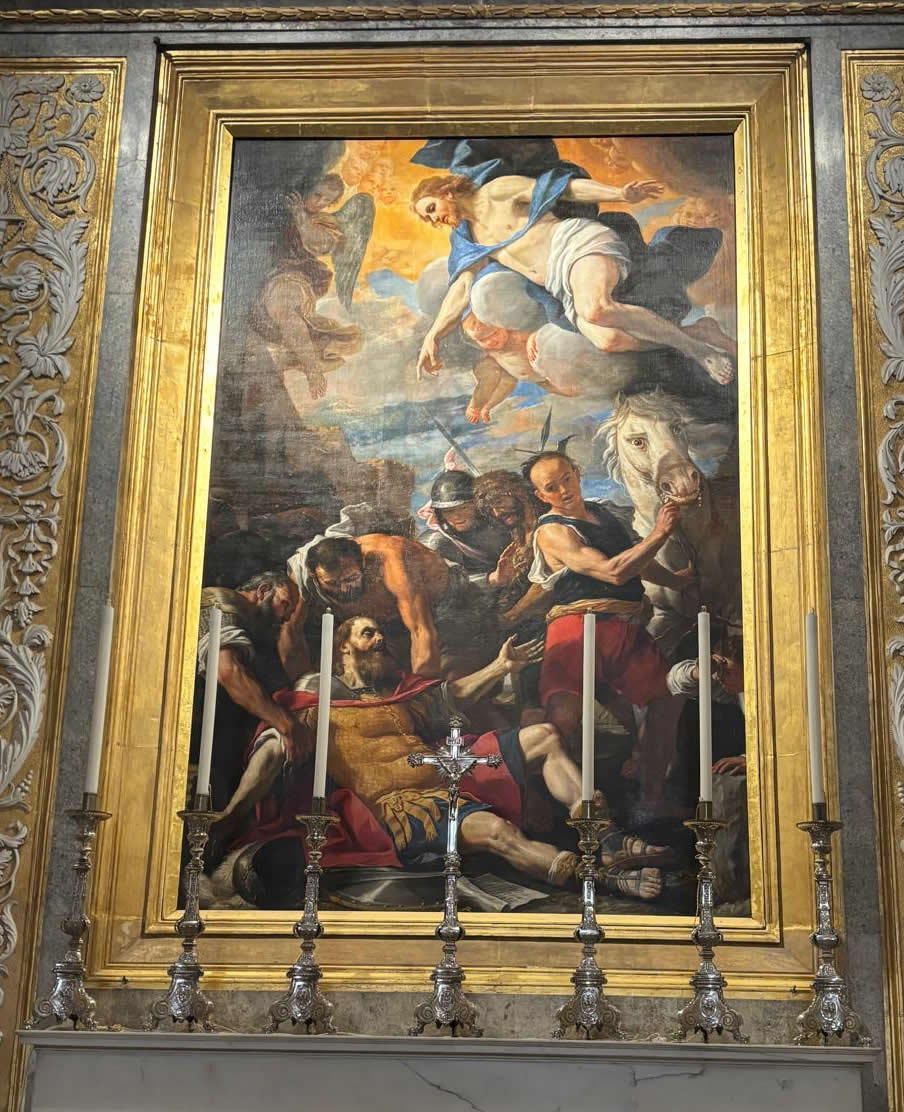
Early Life and Training
Born: 24 February 1613, in Taverna, Calabria (Southern Italy).
Known as “Il Cavalier Calabrese” because of his birthplace and his knighthood.
Moved to Rome in his youth (around 1630s) with his brother Gregorio, also a painter.
Influenced by Caravaggio’s dramatic chiaroscuro (strong contrasts of light and shadow), as well as the Roman Baroque masters like Guercino and Pietro da Cortona.
Became an accomplished painter in both religious and secular themes.
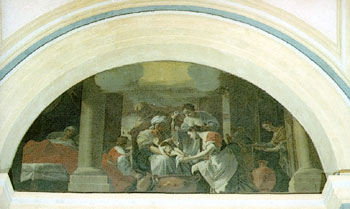
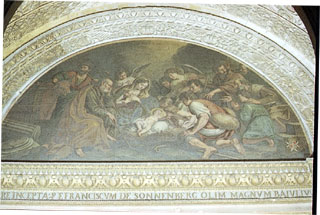
Career in Italy
By the 1640s, Preti had established himself as a skilled painter of altarpieces, mythological subjects, and frescoes.
His style blended Caravaggist realism with the theatrical grandeur of the Baroque.
He worked extensively in Rome, Modena, Naples, and other Italian centers.
Commissioned for frescoes in major churches, including San Biagio in Modena and the Church of San Andrea della Valle in Rome.
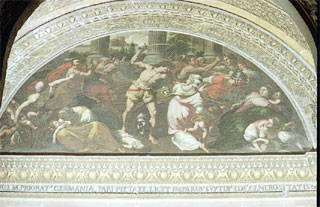
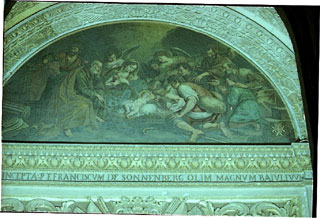
Arrival in Malta
In 1659, Mattia Preti traveled to Malta, then the headquarters of the Knights of St. John.
He impressed Grand Master Raphael Cotoner, who commissioned him to decorate the interior of St. John’s Co-Cathedral in Valletta.
Preti was later knighted in the Order of St. John, earning him lasting prestige.
Works at St. John’s Co-Cathedral
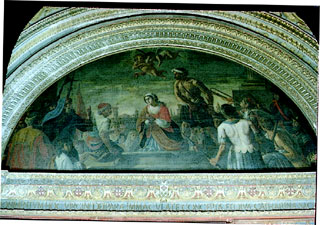
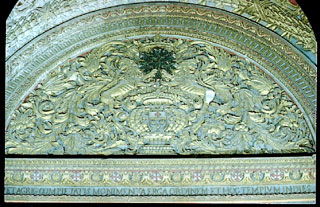
Preti completely transformed the plain interior of the Co-Cathedral between 1661–1666.
He designed elaborate sculptural decorations and painted the vaulted ceiling and side chapels.
His fresco cycle depicts the life and martyrdom of St. John the Baptist, the patron saint of the Order.
These works are considered his masterpiece and among the greatest achievements of Baroque art in Europe.
Preti also painted several altarpieces for chapels and other Maltese churches.
Later Life & Legacy
Preti remained in Malta until his death in 1699, continuing to paint religious works for the island.
He trained local artists and deeply influenced Maltese Baroque art.
Died in Valletta on 3 January 1699 and was buried in the Co-Cathedral he had decorated.
Artistic Style & Importance
Style: A fusion of Caravaggio’s realism and Baroque theatricality.
Known for dramatic light effects, intense emotion, and grandeur.
His Maltese works show a mature, monumental style suited to the Order’s ideals of piety and heroism.
Considered one of the last great masters of the Italian Baroque.
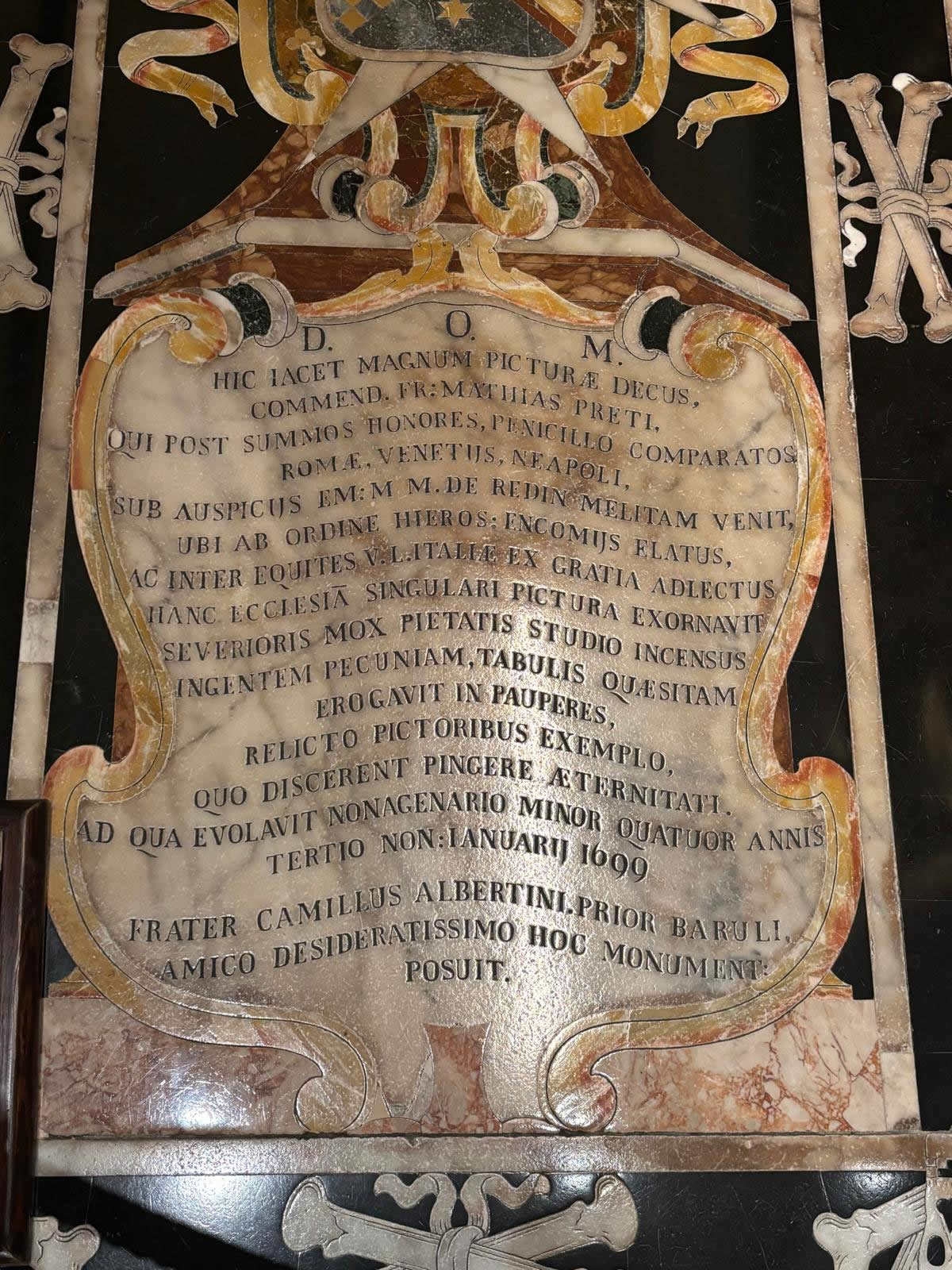
Tombstone in the passage to the Sacristy
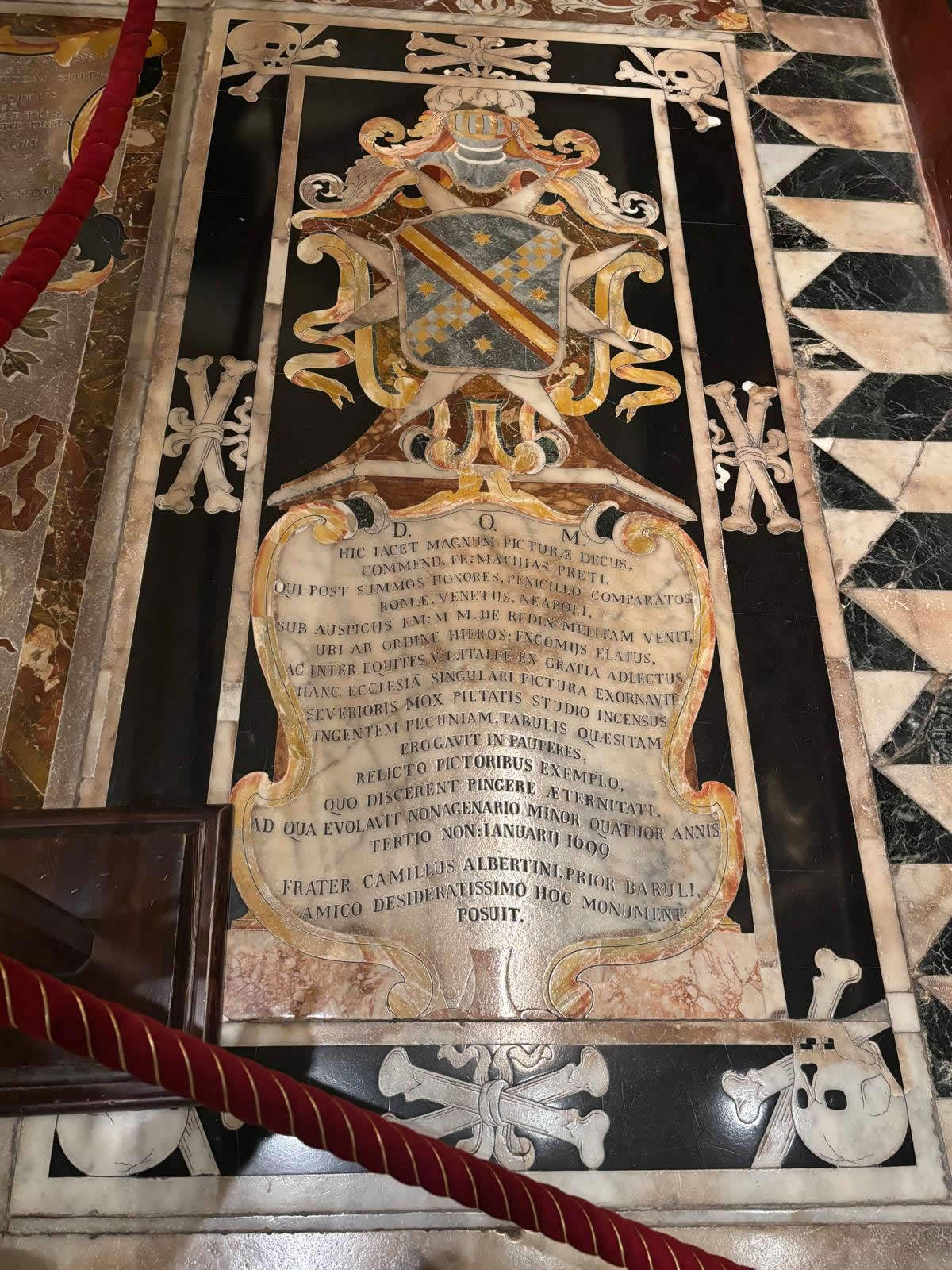
St John's Co Cathedral, Valletta
Tomb of Mattia Preti – Latin Inscription
Latin Inscription
D.O.M.
HIC IACET MAGNUM PICTURAE DECUS,
COMMEND. FR. MATTHIAS PRETI,
QUI POST SUMMOS HONORES, PENICILLO COMPARATOS
ROMAE, VENETUS, NEAPOLI,
SUB AUSPICIIS EM:MI M. DE REDIN MELITAM VENIT,
UBI AB ORDINE HIEROS. ENCOMIIS ELATUS,
AC INTER EQUITES V.I. ITALIAE EX GRATIA ADLECTUS
HANC ECCLESIAM SINGULARI PICTURA EXORNAVIT
SEVERIORIS MOX PIETATIS STUDIO INCENSUS
INGENTEM PECUNIAM, TABULIS QUAESITAM
EROGAVIT IN PAUPERES,
RELICTO PICTORIBUS EXEMPLO,
QUO DISCERENT PINGERE AETERNITATI.
AD QUA EVOLAVIT NONAGENARIO MINOR QUATUOR ANNIS
TERTIO NON. IANUARII 1699
FRATER CAMILLUS ALBERTINI PRIOR BARULI, AMICO DESIDERATISSIMO HOC MONUMENTUM POSUIT.
English Translation
To God, the Best and Greatest.
Here lies the great glory of painting,
the Commendatore Fra Mattia Preti,
who, after attaining the highest honours through his brush
in Rome, Venice, and Naples,
came to Malta under the patronage of Grand Master de Redin.
Here, raised by the praise of the Order of St John,
and admitted among the Knights of Italy by favour,
he adorned this church with remarkable paintings.
Soon, inspired by a deeper devotion,
he gave away a great fortune, earned through his art,
to the poor,
leaving painters an example,
by which they might learn to paint for eternity.
He flew to that eternity, lacking four years of ninety,
on the third day before the Nones of January (3 January 1699).
Brother Camillus Albertini, Prior of Barletta,
placed this monument for his most beloved friend.
St John's Co Cathedral, Valletta
Mattia Preti’s Legacy
Mattia Preti’s contribution to Malta goes beyond his tomb. His artistic vision reshaped St John’s Co-Cathedral into a Baroque masterpiece, making it one of the most significant artistic sites in Europe today.
Summary
Mattia Preti was a knighted Italian Baroque painter who left his greatest legacy in Malta. His frescoes and paintings in St. John’s Co-Cathedral transformed it into a jewel of Baroque art and solidified his reputation as one of the era’s most powerful religious painters.Frequently Asked Questions
Who was Mattia Preti?
Mattia Preti (1613–1699) was an Italian Baroque painter and Knight of the Order of St John. He is best known for decorating the interior of St John’s Co-Cathedral in Valletta, Malta.
Where is Mattia Preti buried?
He is buried inside St John’s Co-Cathedral in Valletta, Malta, beneath an elaborate marble tombstone inlaid within the cathedral floor.
What does the Latin inscription on Mattia Preti’s tomb say?
The inscription praises Preti as a great master of painting, highlights his achievements in Rome, Venice, and Naples, and describes his work in Malta and his charitable donations to the poor.
When did Mattia Preti die?
Mattia Preti died on 3 January 1699 at the age of 86.
What is Mattia Preti famous for in Malta?
He is famous for transforming the interior of St John’s Co-Cathedral with Baroque paintings and decorative stonework, making it one of the most important artistic landmarks in Malta.
Why is his tomb important?
His tomb is one of over 400 marble tombstones belonging to Knights of the Order, each featuring detailed inscriptions and symbolic artwork reflecting their achievements.