About eMalta
eMalta is an independent heritage project documenting the historical and cultural sites of Malta and Gozo.
Locations featured on this website have been individually researched, documented and, wherever possible, personally visited. Original photography, mapping and historical information have been compiled through site visits and reference sources. From prehistoric temples and medieval chapels to cemeteries, fortifications and historic towns, eMalta aims to create a comprehensive record of Malta's rich heritage.
The website currently contains over 1,500 pages dedicated to the history and heritage of the Maltese Islands.
Planning a visit? For beaches, swimming, diving, walks, food, viewpoints, villages and practical information for exploring Malta, Gozo and Comino, visit our visitor guide: e-Malta — Explore Malta, Gozo & Comino »
Original Photography: All photographs are the property of eMalta unless otherwise credited.
Discover the historic capital of Valletta, the medieval city of Mdina, the prehistoric temples including Ggantija, and hundreds of churches and chapels across Malta and Gozo.
Use the guides below to explore Malta's towns, historic landmarks, churches and archaeological sites.
Malta has one of the highest concentrations of historic churches in the world, with over 500 churches and chapels across the islands.
Discover the historic streets of Valletta, the medieval city of Mdina, the prehistoric temples of Malta, and hundreds of churches and chapels across the islands. Our growing directory includes detailed pages for towns, villages, historic sites and religious landmarks.
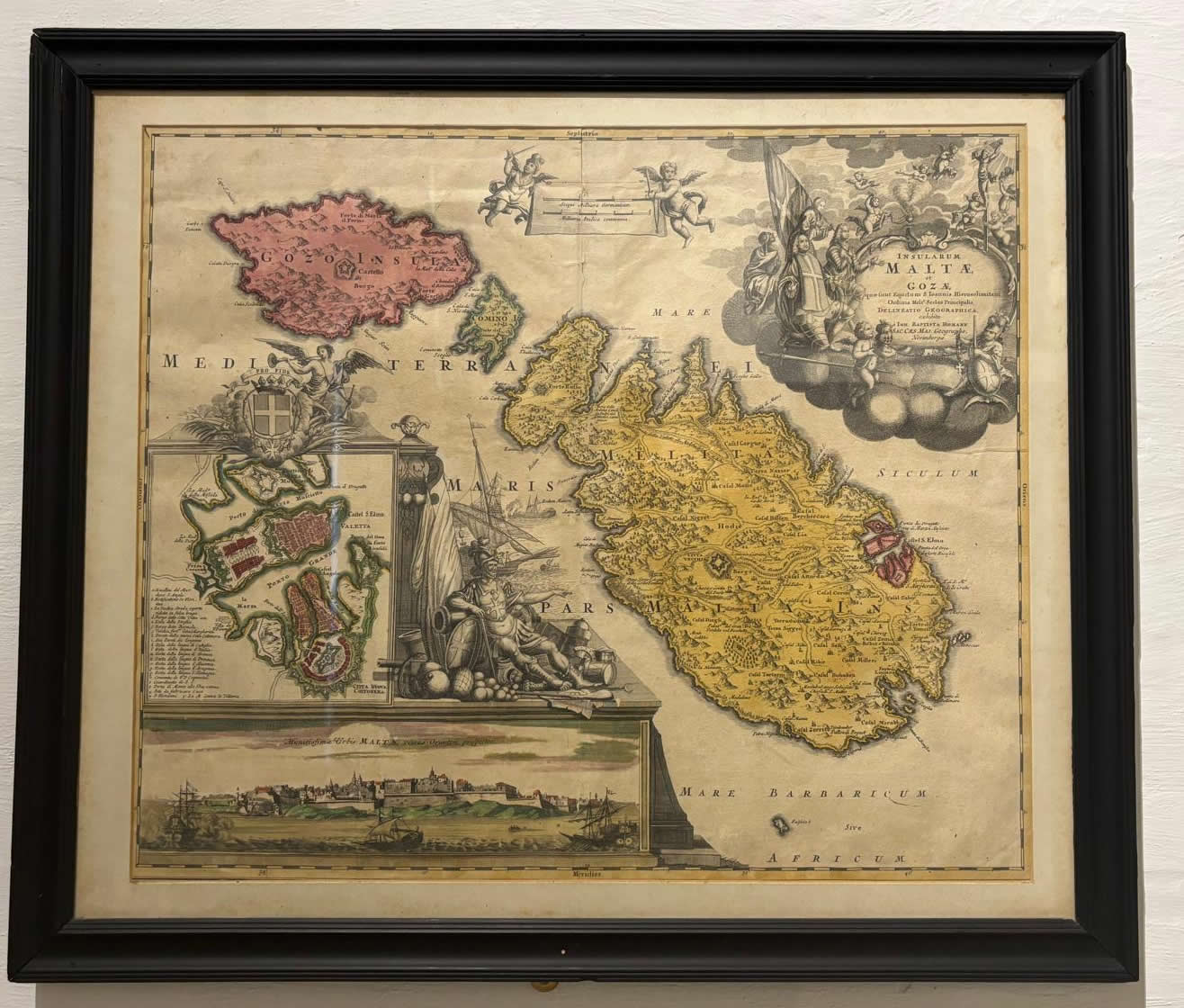
in the Wignacourt Museum, Rabat, Malta.
Use the guides below to explore Malta's history, architecture and cultural heritage.
Ancient Malta: Prehistoric Temples and Early Civilizations
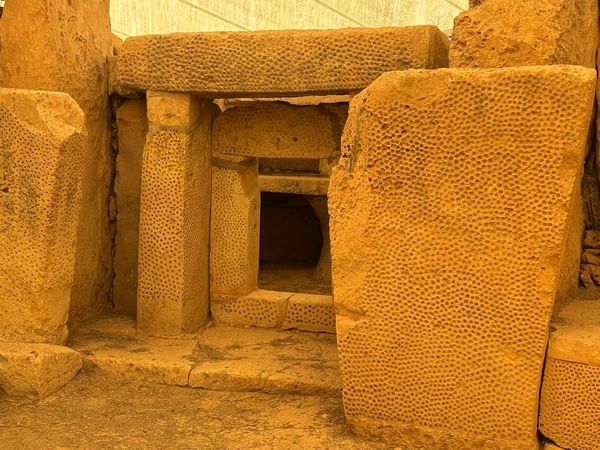
Malta's history stretches back over 7,000 years, making it one of the oldest inhabited places in Europe. The island is home to megalithic temples such as Ħaġar Qim and Mnajdra, built long before the pyramids of Egypt, offering a rare glimpse into the life and beliefs of Malta's earliest settlers.
The Knights of St. John and Malta's Golden Age
In 1530, the Knights of St. John transformed Malta into a fortress island and cultural hub. Their influence is still visible in Valletta's grand architecture, ornate churches, and formidable fortifications, marking an era often referred to as Malta's Golden Age.
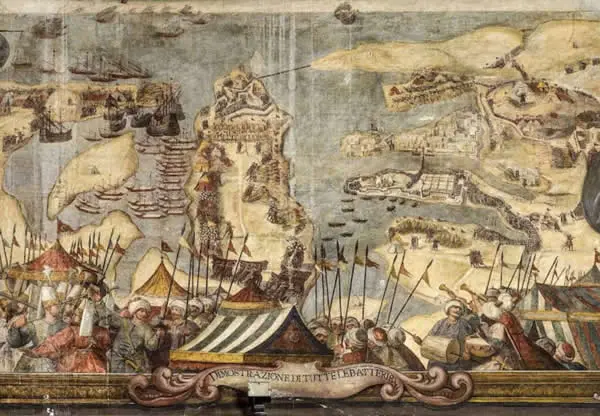
Under their rule, the islands witnessed a period of military, architectural and cultural development often regarded as Malta's Golden Age.
Malta in World War II - The Siege and Beyond
During World War II, Malta became a strategic stronghold in the Mediterranean. Under constant siege, the island endured heavy bombing but emerged with the George Cross for bravery, a testament to the resilience and unity of its people.
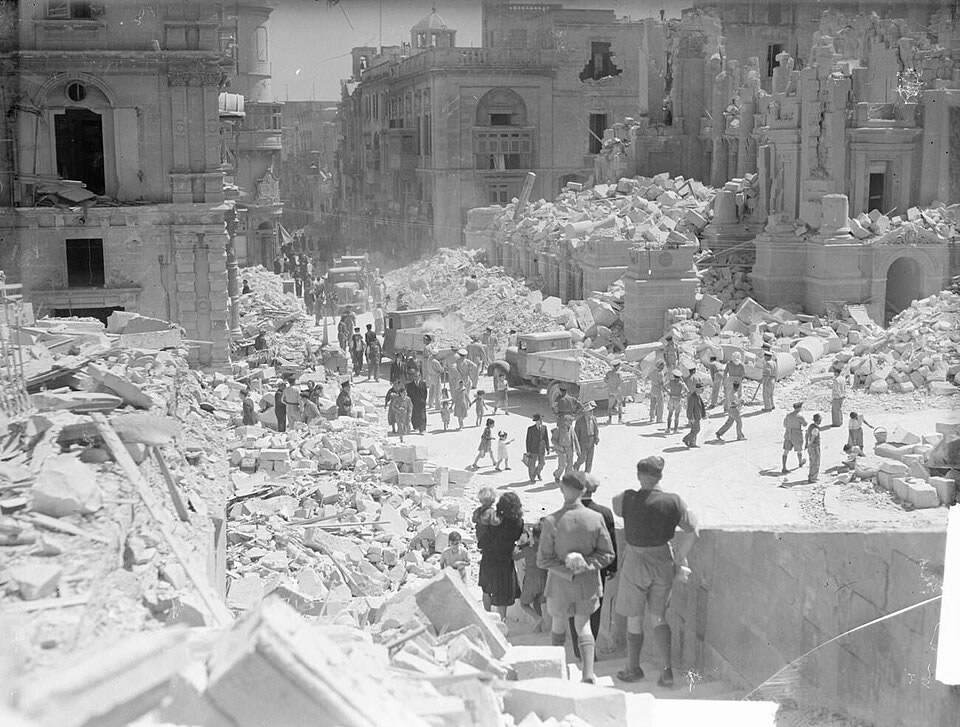
The city suffered heavily during the Siege of Malta, one of the most sustained bombing campaigns of the war.
Exploring Malta's Historic Cities: Valletta, Mdina, and Birgu
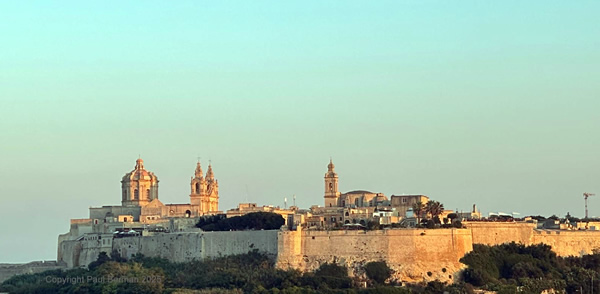
The city preserves centuries of Maltese history within its medieval and Baroque walls.
Each of Malta's historic cities tells its own story. Valletta, a UNESCO World Heritage site, is famed for its Baroque architecture; Mdina, the 'Silent City,' offers medieval charm; and Birgu's harbourside fortifications reveal Malta's naval past.
Travel Tips for Visiting Malta's Historical Sites
To make the most of Malta's history, plan visits to major landmarks early in the morning to avoid crowds, explore lesser-known villages for hidden heritage gems, and combine sightseeing with local food experiences for an authentic journey.
Research & Documentation
- Researcher: Paul Berman
- Last Updated: 2026
This page forms part of eMalta's ongoing documentation of the historical, cultural and religious heritage of Malta and Gozo.
Information has been compiled through site visits, field research, historical publications, archival records, maps, plans and other reference sources.
All locations that currently exist featured on eMalta have been personally visited and documented. Where historic sites no longer exist, information has been researched from archival sources and contemporary records.
Images used on eMalta include original photography as well as historical illustrations, maps and photographs reproduced with permission from archives, institutions and copyright holders where applicable. Individual image credits and archive reference numbers are provided where available.